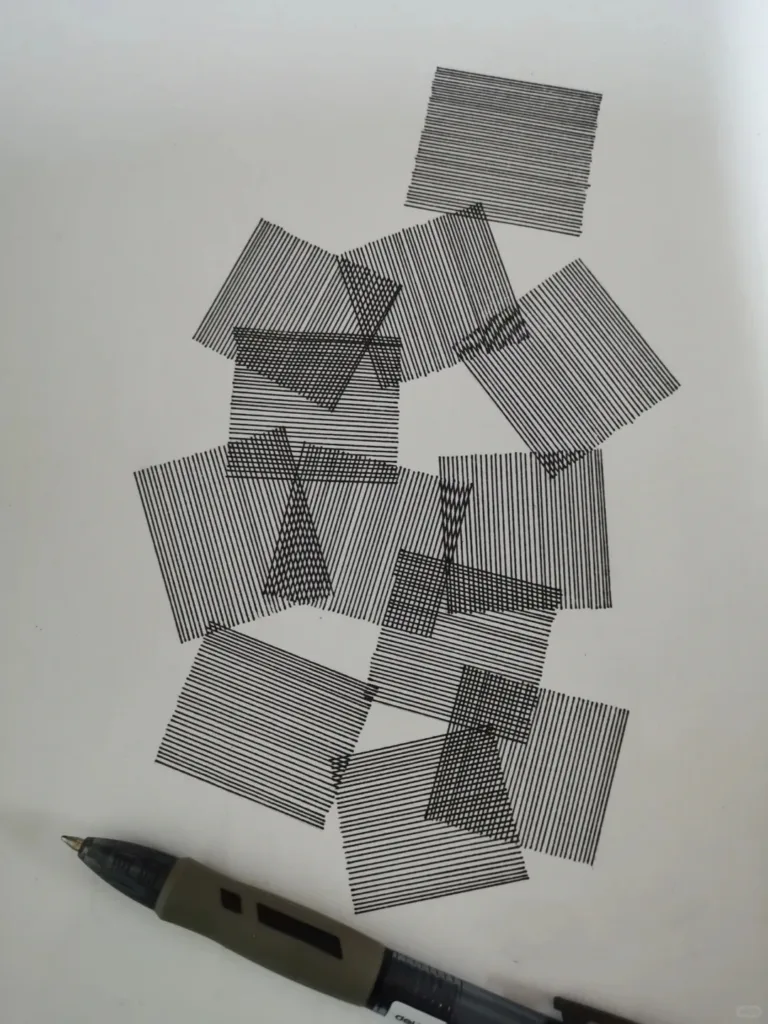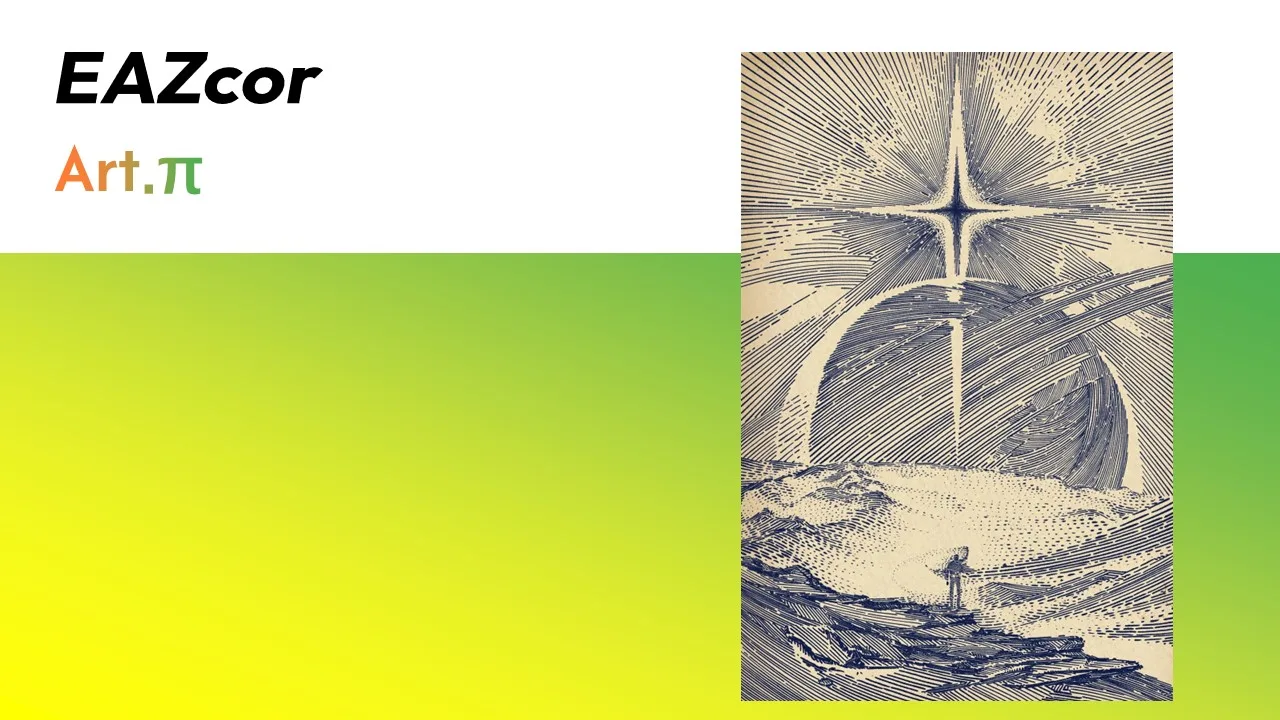
Line Art is a form of painting that uses lines as its primary means of expression. Instead of relying on colors and complex shading transitions, it outlines shapes, depicts structures and conveys emotions through variations in line weight, density, curvature, straightness and solidity. From humanity’s earliest cave paintings to modern digital illustrations, line art remains one of the most fundamental and vibrant forms of artistic expression.
Main Style Classification of Line Drawings
Line drawings are generally divided into the following styles according to expressive techniques and visual purposes:
- Realistic line drawing: It pursues the accurate depiction of the anatomical structure, light and shadow volume of objects, with rigorous and delicate lines, and is commonly used in sketches, quick sketches and scientific illustrations.
- Decorative line drawing: It focuses on the formal beauty of lines and pattern effects. Techniques such as exaggeration, distortion and repetition are often adopted, combining dots, lines and planes to form decorative pictures in black, white and gray, such as children’s line drawings and zentangle art.
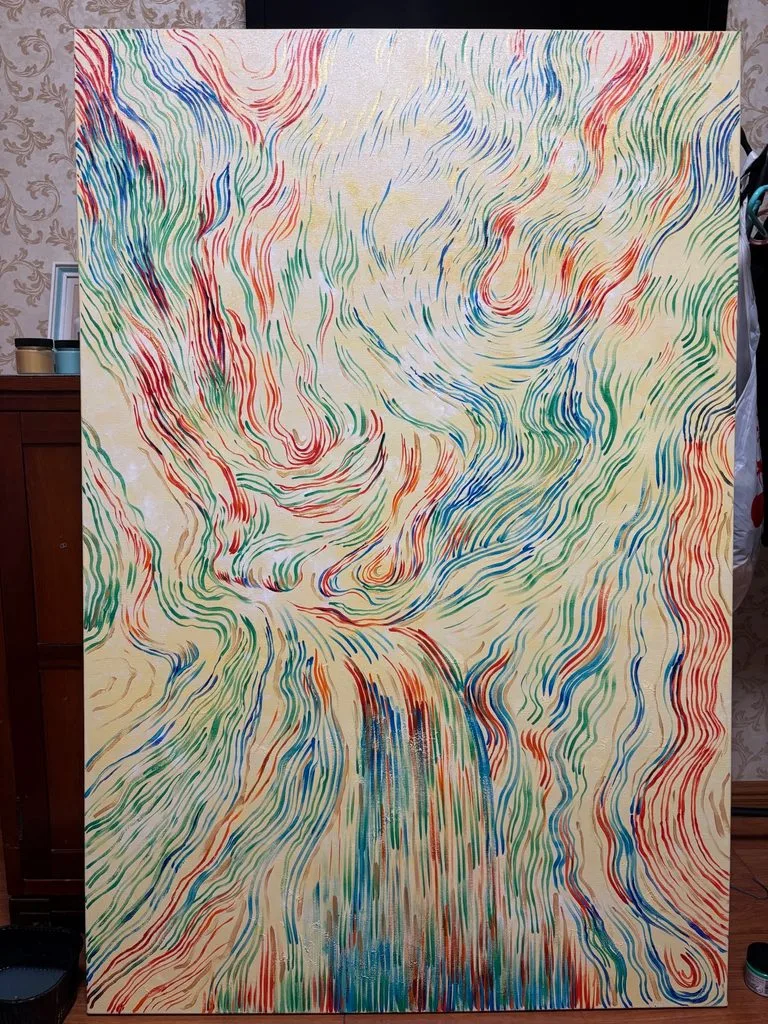
- Abstract line drawing: It does not depict specific objects. Instead, it expresses emotions, rhythms or compositional relationships through the combination, interweaving and flow of lines, boasting a strong sense of modernity and artistic tension.
- Sketch line drawing: It quickly captures the movement and features of the subject with concise and generalized lines, emphasizing the vividness of “finishing in one go”. It is a common method for painters to record inspiration and practice modeling skills.
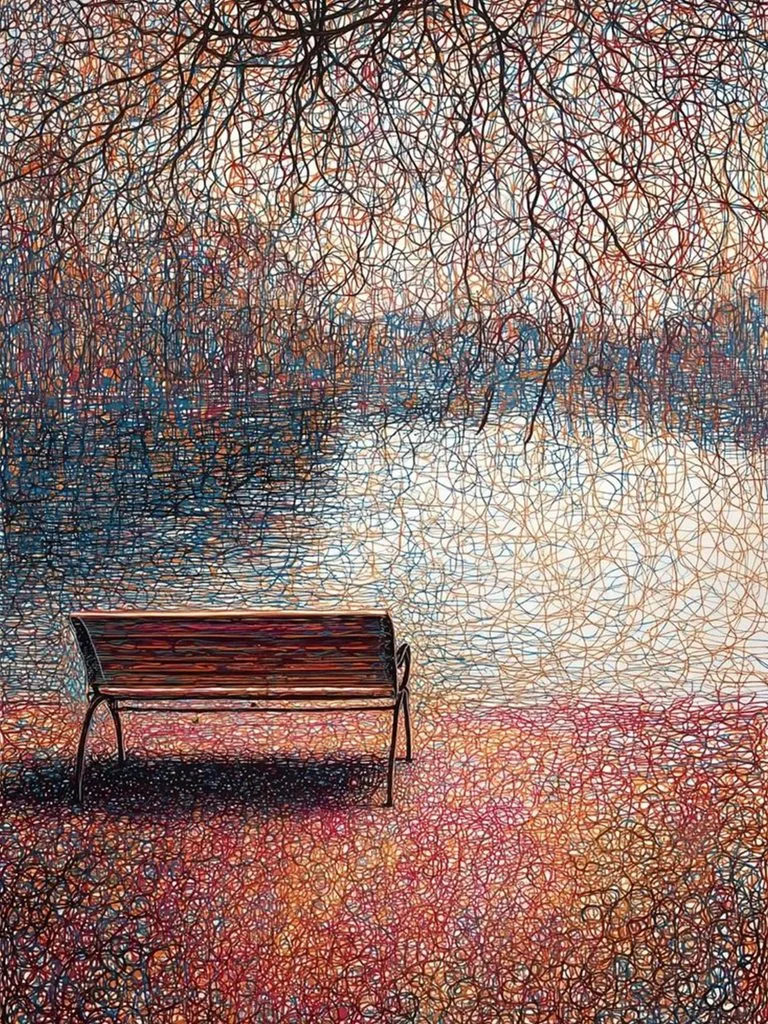
Common Tools and Materials
- Hard-tip line drawing: Tools such as pens, pencils, technical pens and charcoal are used. The lines are clear and definite, suitable for sketching, black-and-white illustrations and fine layout design.
- Soft-brush line drawing: It mainly refers to the traditional Chinese line drawing with writing brushes (also known as bai miao). It uses the pressure, lifting, turning and folding of the brush to show the changes of ink in shade, wetness and dryness, carrying a unique oriental literati charm.
- Digital line art: Created using a graphics tablet and drawing software (such as Procreate and Photoshop). Its advantages include easy editing and reproducibility, the ability to simulate a wide range of brush textures, and an extremely diverse array of styles.
- Print line art: Use DTF printers, UV printers or sublimation printers for precise printing creation. Its advantages are reproducibility and digital assetization. It supports any style without restrictions.
Beginner’s Tutorial for Line Drawing from Scratch
If you want to try line drawing, you can start with simple still lifes or plants. Here are the basic practice steps:
- Prepare your tools: one 0.3 or 0.5 technical pen (for outlining shapes), one 0.1 or 0.05 technical pen (for drawing internal textures and hatching), and a sheet of fine-grain cardstock or watercolor paper.
- Composition and Sketching: Use a pencil to lightly mark the center of gravity and general orientation of the object. Pay attention to the proportion of the object within the frame; avoid placing it too close to the edges or letting it fill the entire space from top to bottom.
- Outline the shape: Switch to a thicker technical pen and try drawing the outer contour in one continuous stroke. Start with a little pressure, keep the stroke relaxed as you draw, and lift gently at the end to give the line a sense of vitality. Avoid retracing over the line repeatedly.
- Representing volume and hatching: Use a relatively fine pen to draw dense hatching lines following the structural direction of the object. Follow the principle of “sharp in the foreground, faint in the distance; darker at the front, lighter at the back”. Deepen the lines at overlapping areas, roots or shadowed parts of the object, and leave blank spaces for highlights.
- Make clever use of white space: The essence of line drawing lies in “treating blank space as part of the composition”. Highlights are not drawn, but left undrawn. Large areas of white space can make the painting more airy and layered.
Masters and Inspiration of Line Art
- Matisse: His line drawings are extremely concise. With just a few fluid and assured lines, he can precisely capture the movements and spirit of figures, resulting in clean yet powerful images.
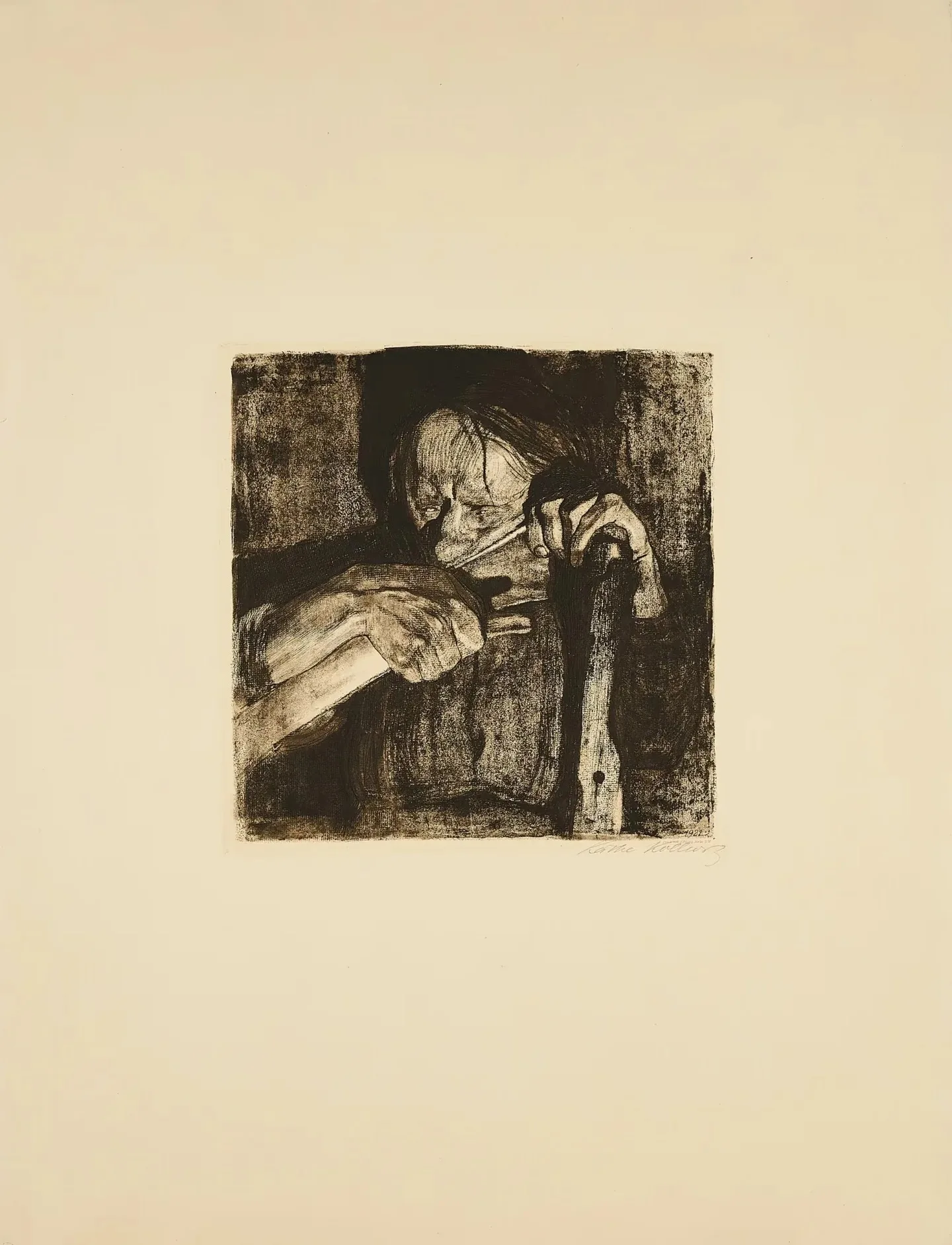
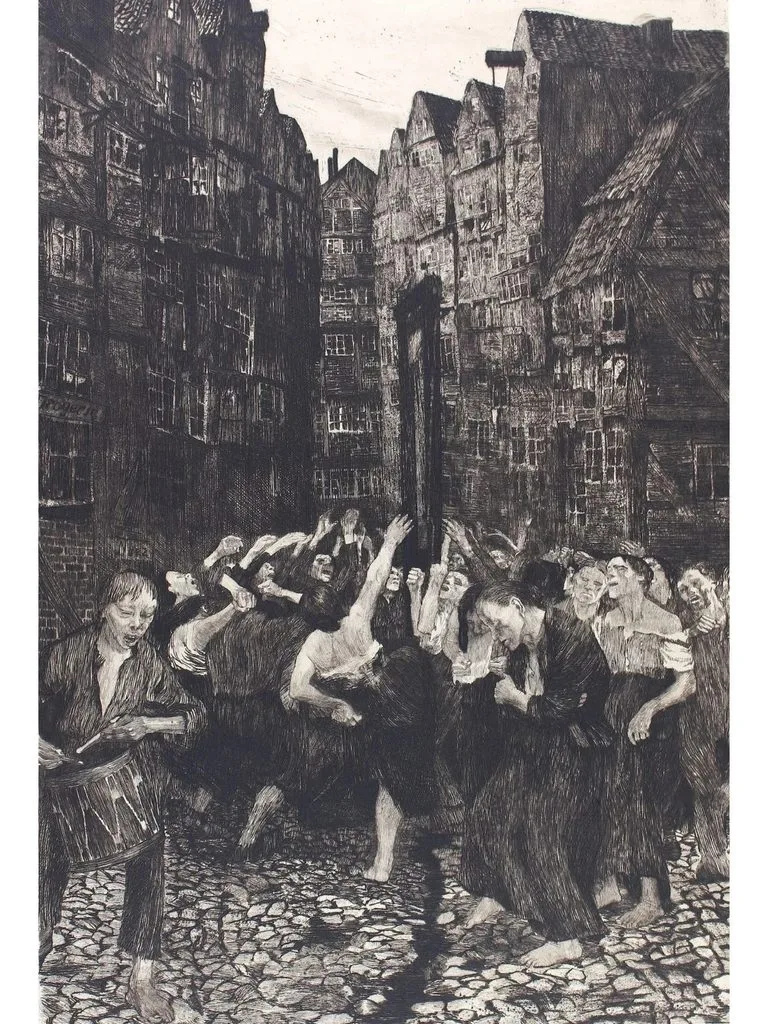
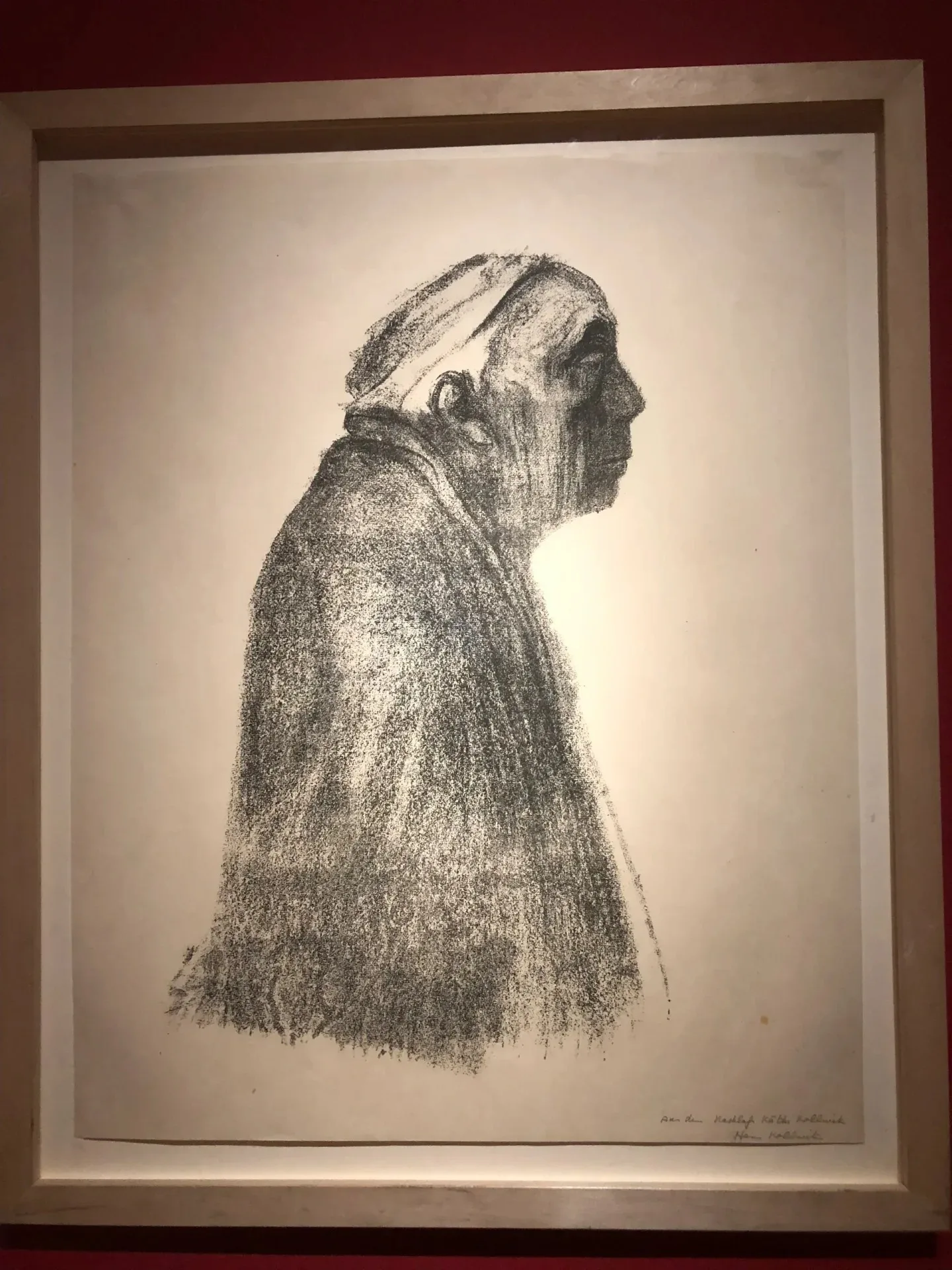
- Käthe Kollwitz: a German printmaker. She uses rough charcoal hatching and stark black-and-white contrast, employing heavy lines to depict the suffering and resilience of the underprivileged, demonstrating the powerful emotional expressiveness of lines.
- Picasso: His late-line drawings (such as the Bull series) demonstrate an extreme ability of generalization, gradually distilling from elaborate realism into abstract likeness captured with just a few strokes.
Tips for Interaction and Practice
- Start with small everyday objects: Don’t jump straight into drawing complex portraits. Begin with a scallion, a leaf, a cup or your own shoes to practice controlling long curved lines and overlapping forms.
- Try blind contour drawing: Keep your eyes fixed on the outline of your subject, moving your hand on the paper at the same time without looking at the page. This greatly improves hand‑eye coordination and builds confidence in your linework.
- Play with dots, lines and planes: Place a few random dots on paper, connect them with straight, curved and broken lines, then fill the divided spaces with different textures and patterns. It is an excellent way to develop a feel for decorative line art.
Case Appreciation
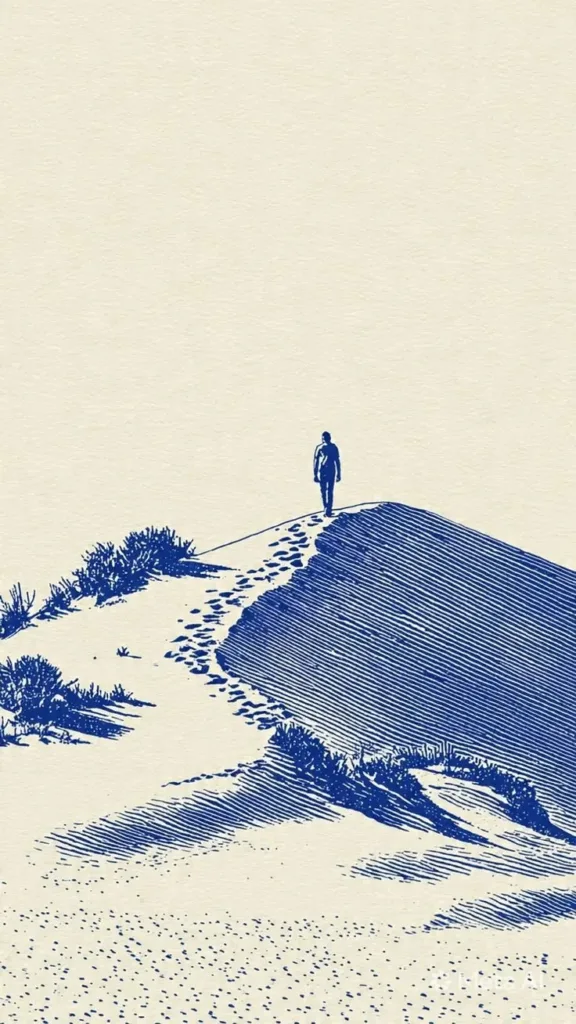
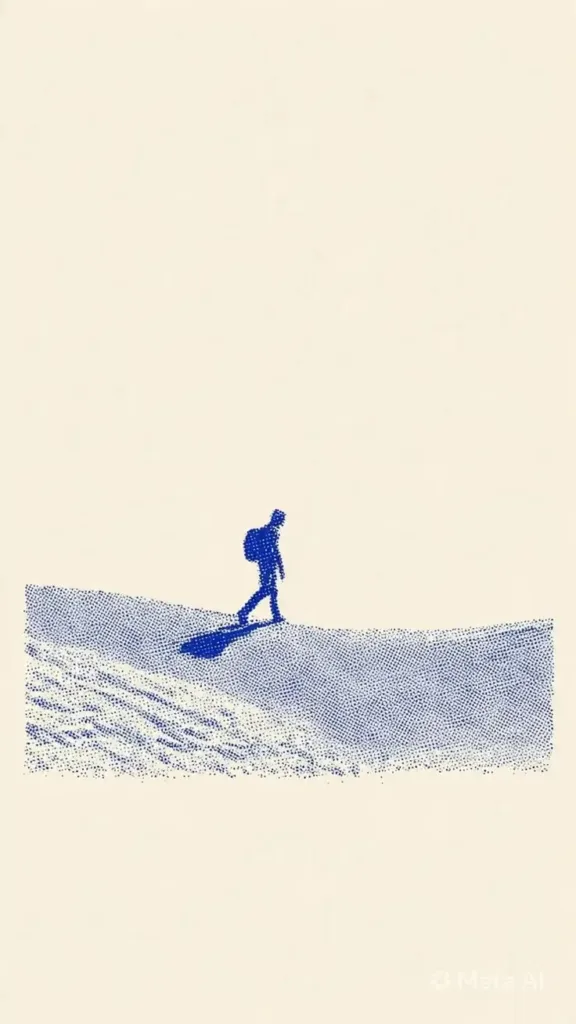
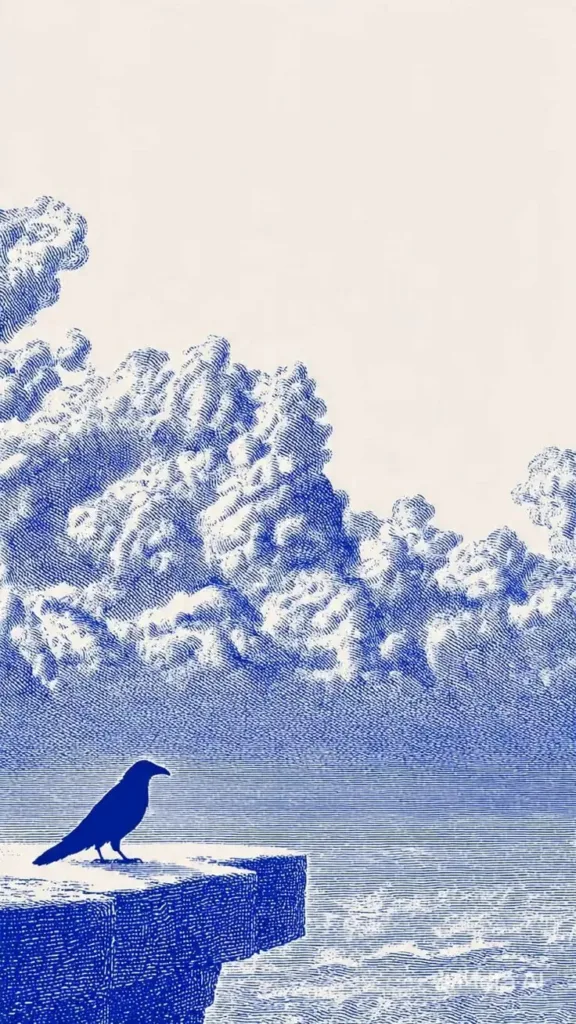
Short comment: The pale yellow and deep blue bring the line composition to a high level.
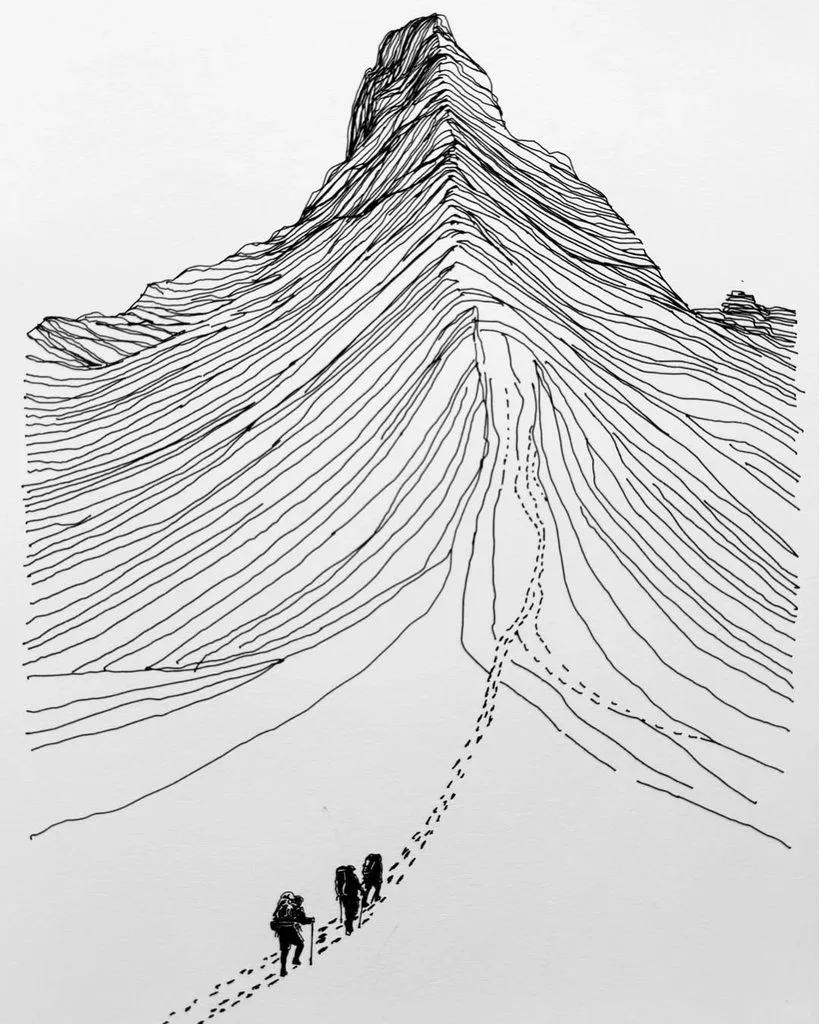
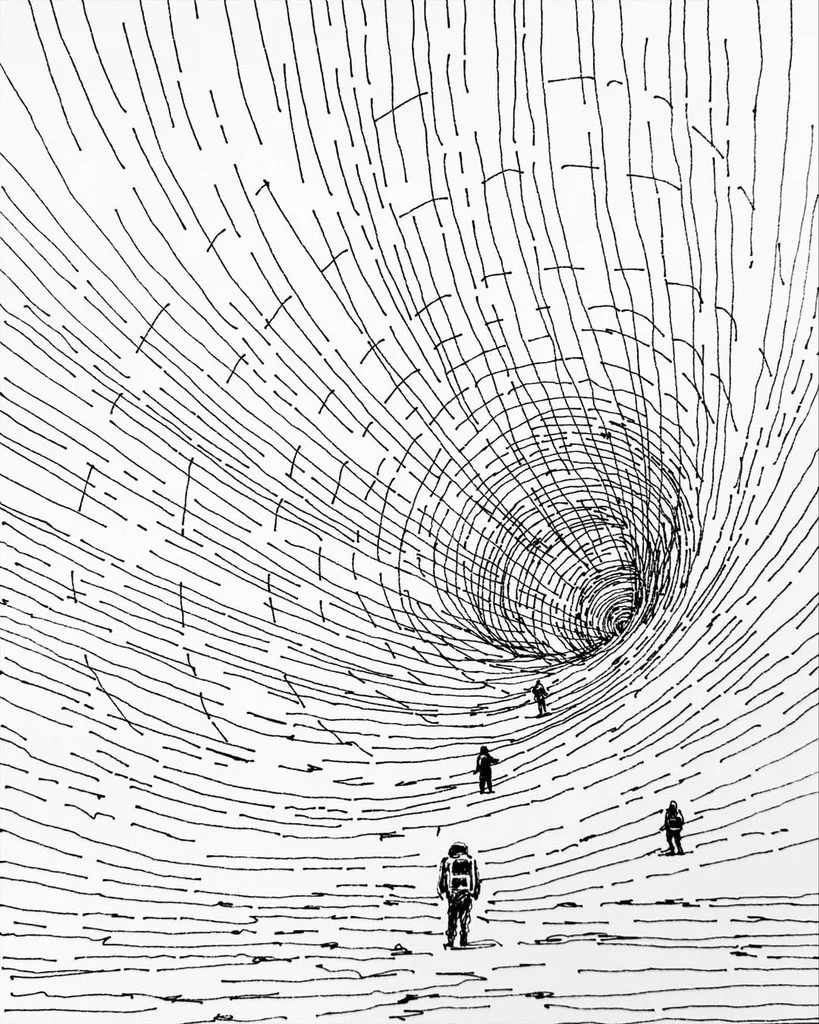
Short Comment: The journey of human exploration can actually be depicted merely with lines. Lines are the main subject, while humans are insignificant.
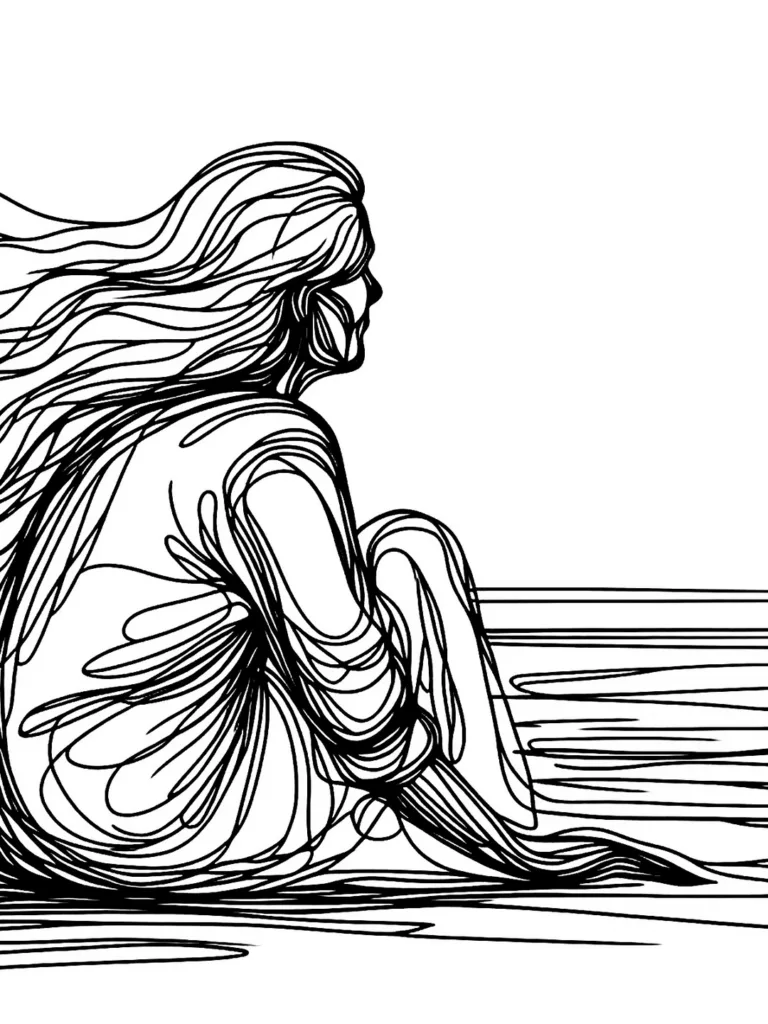
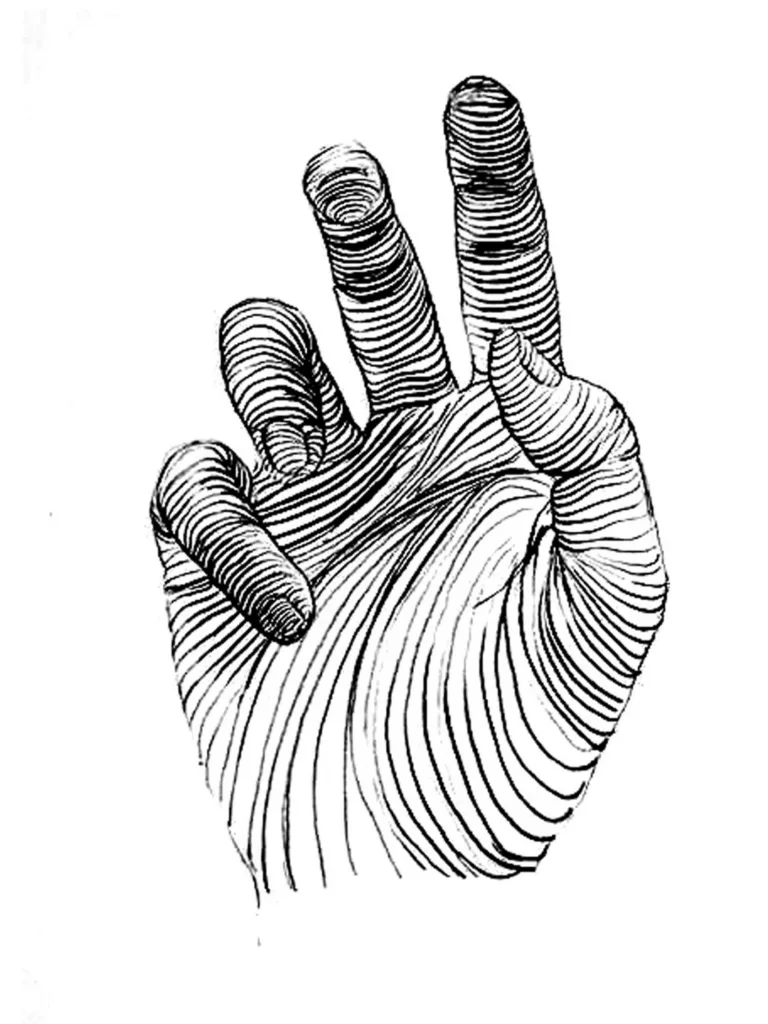
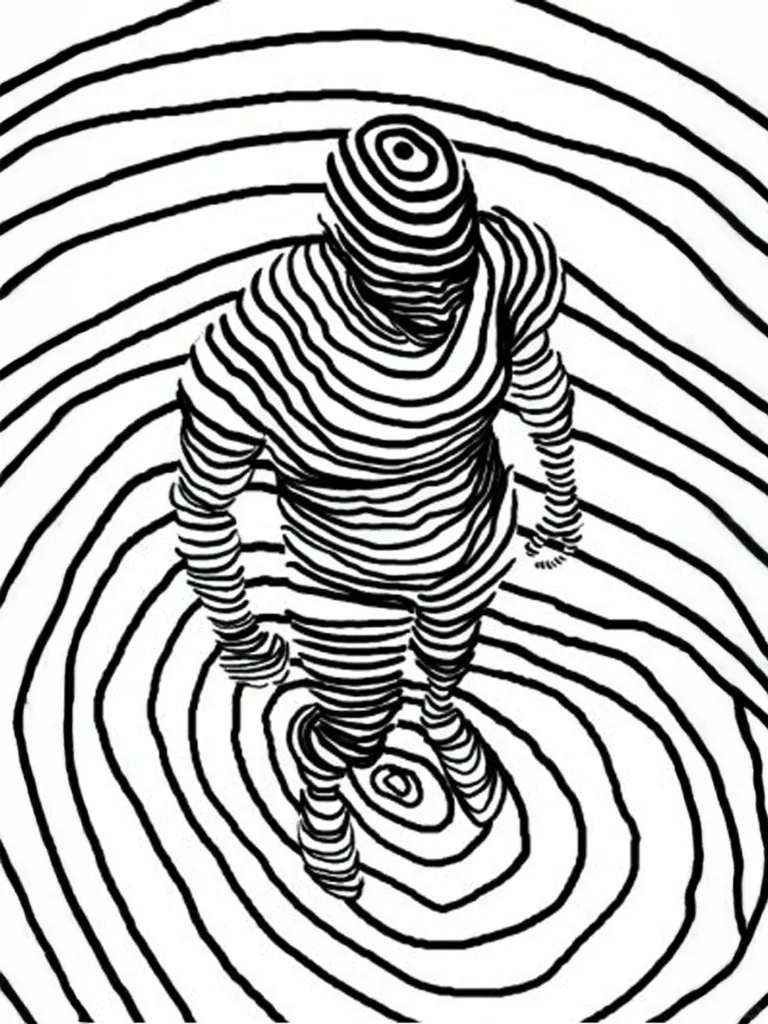
Short comment: Often, great art and abstract expressions can be briefly outlined with concrete lines.


Short Comment: Line Control Tutorial from a Classmate
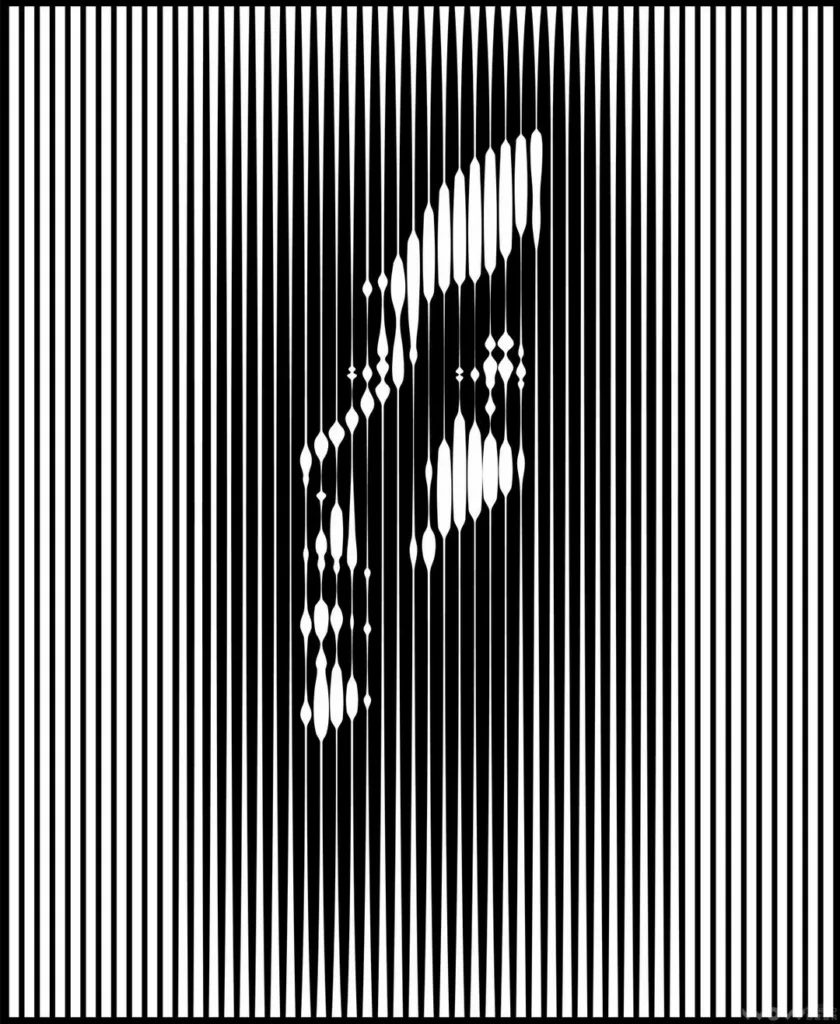
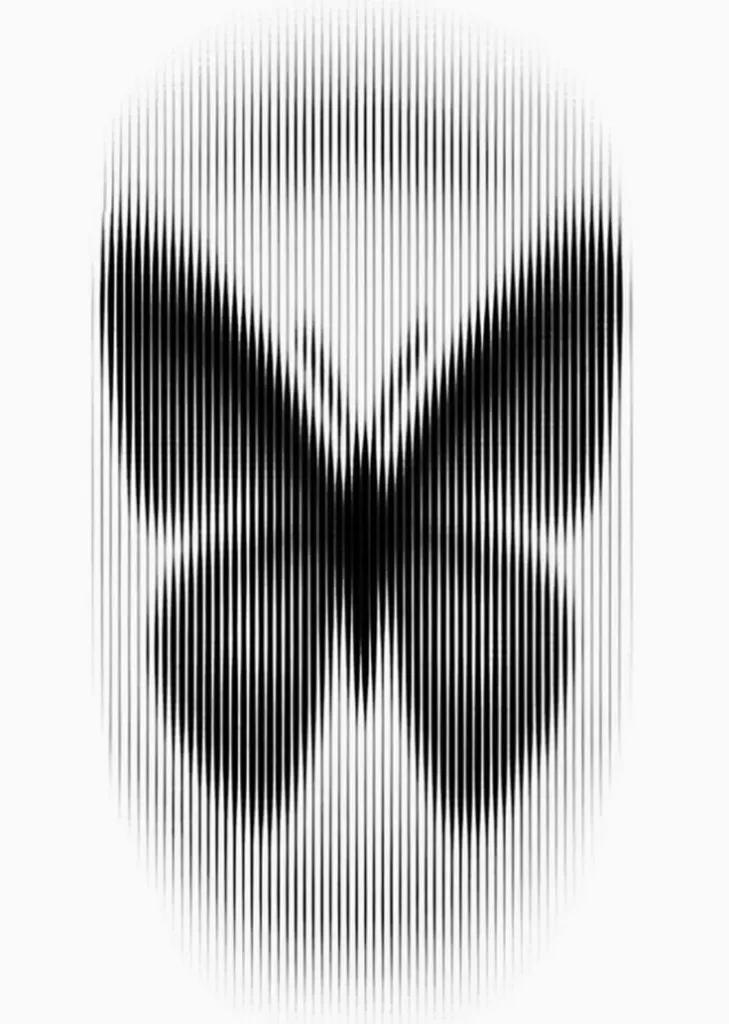
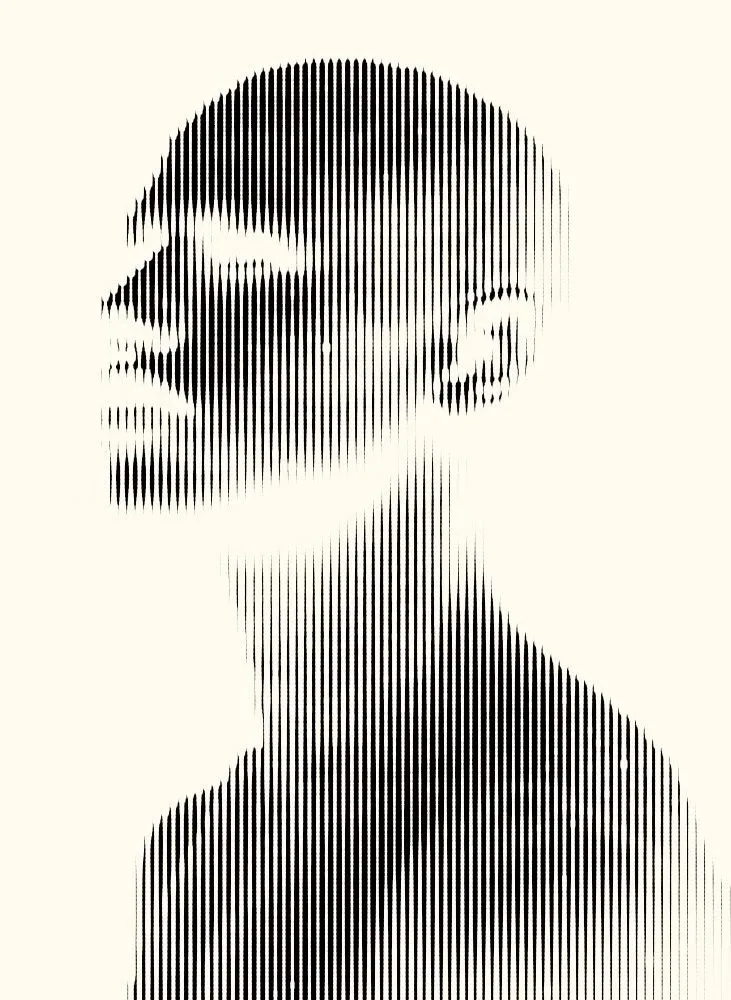
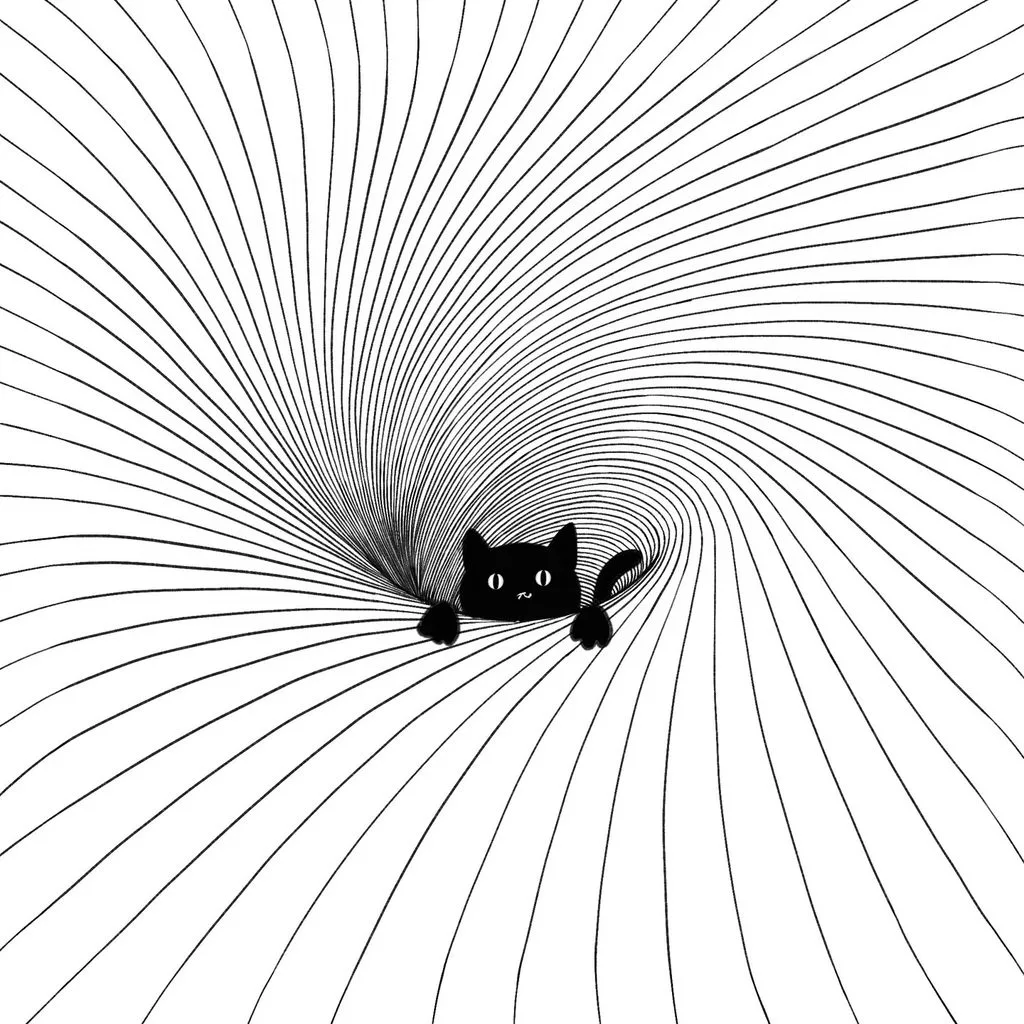
Short Comment: The spatial art and raster effects constructed by lines can be easily achieved with AI image generation.
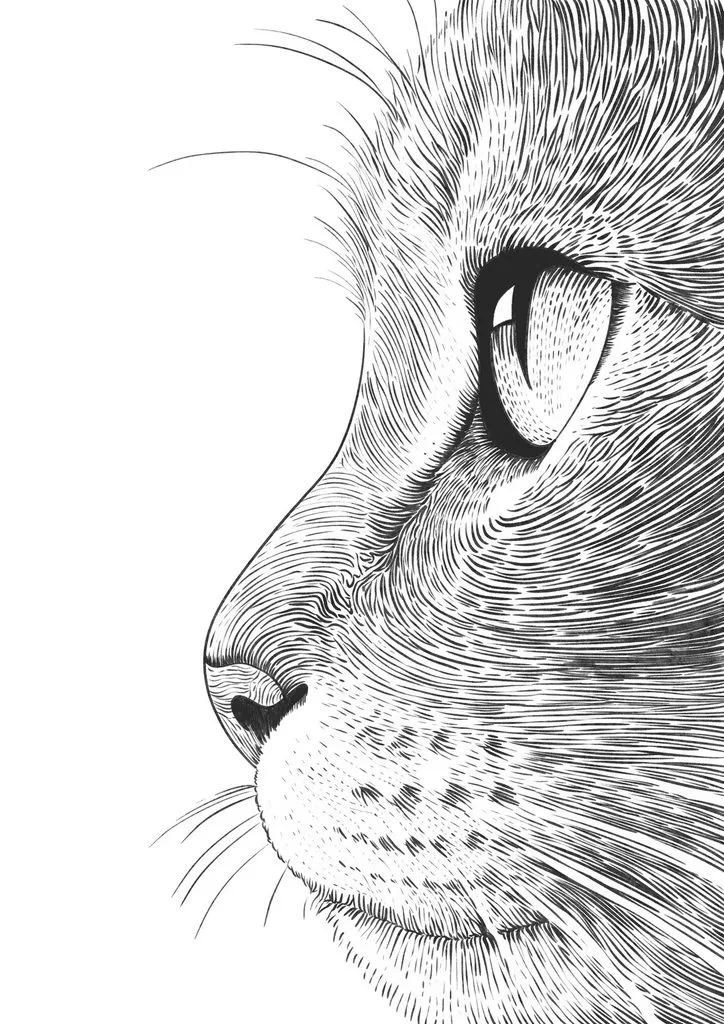
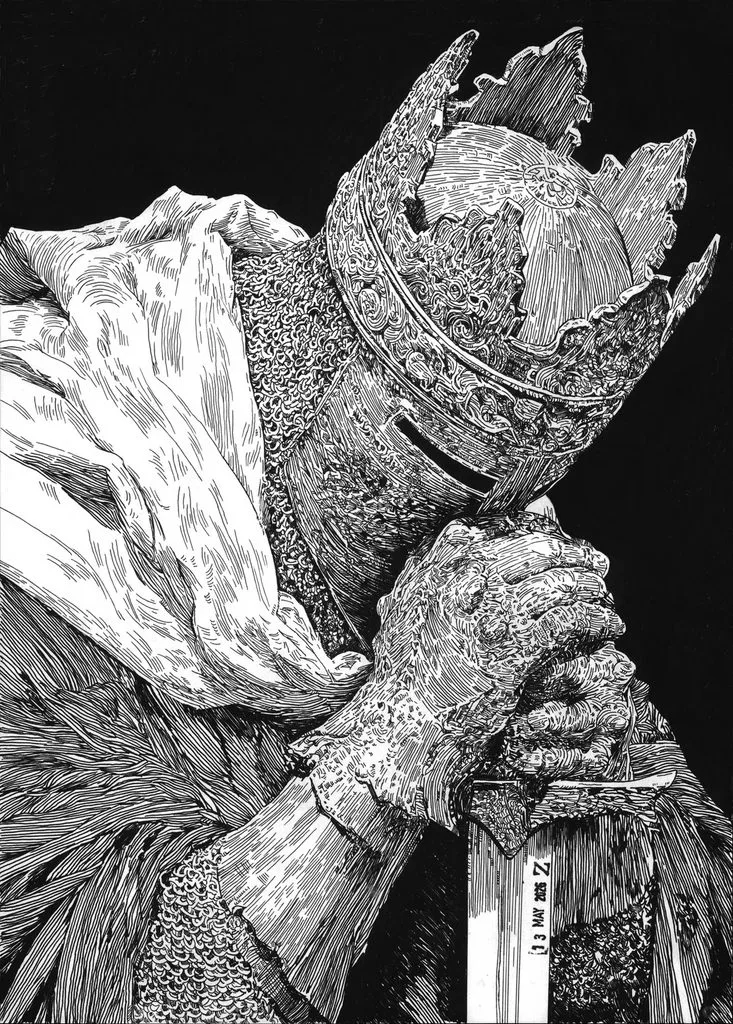
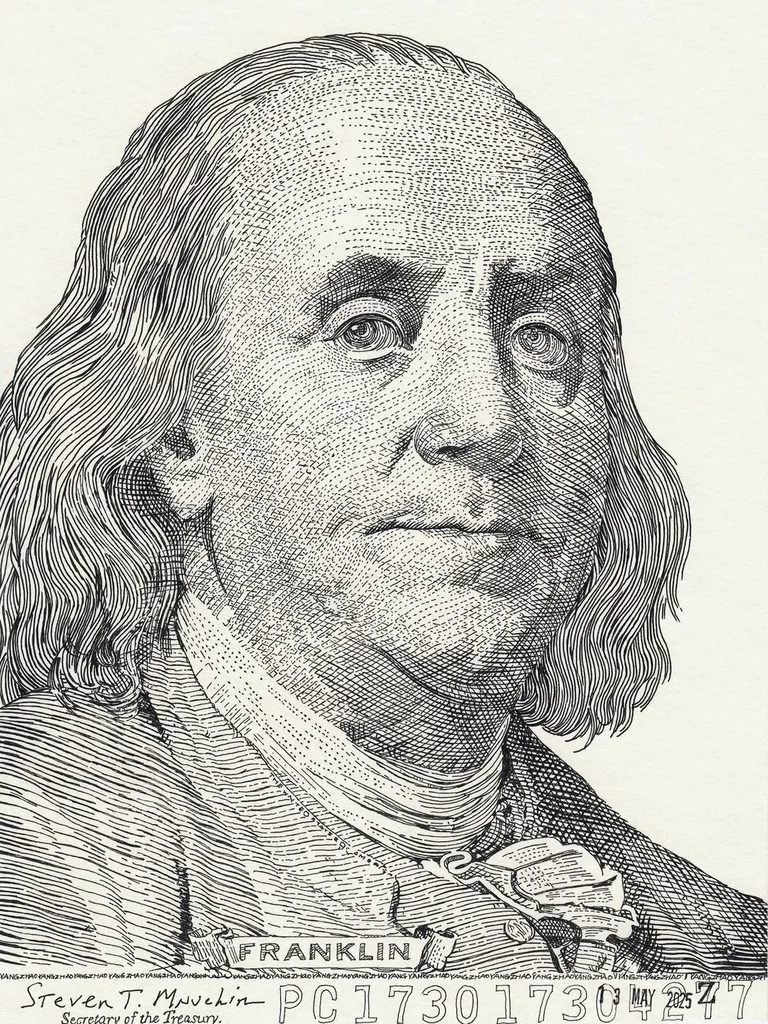
Short comment: Whether it is coins, kings or kittens, all can be outlined with lines.
Finally, let’s admire John’s works.