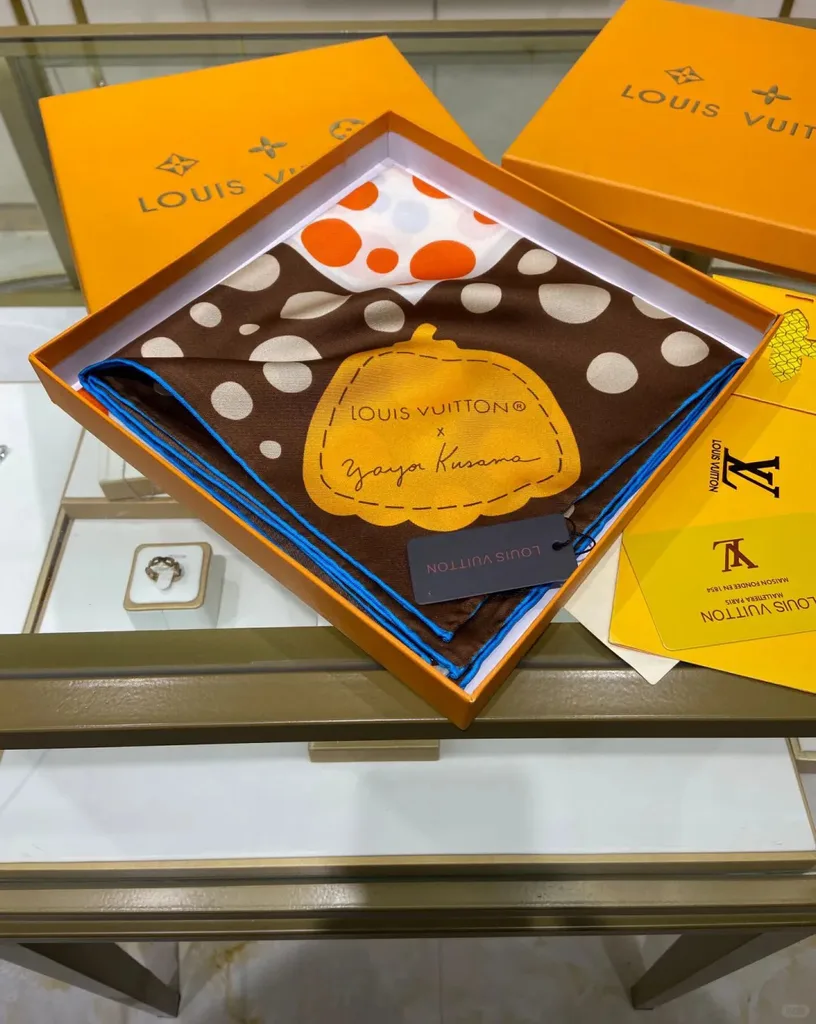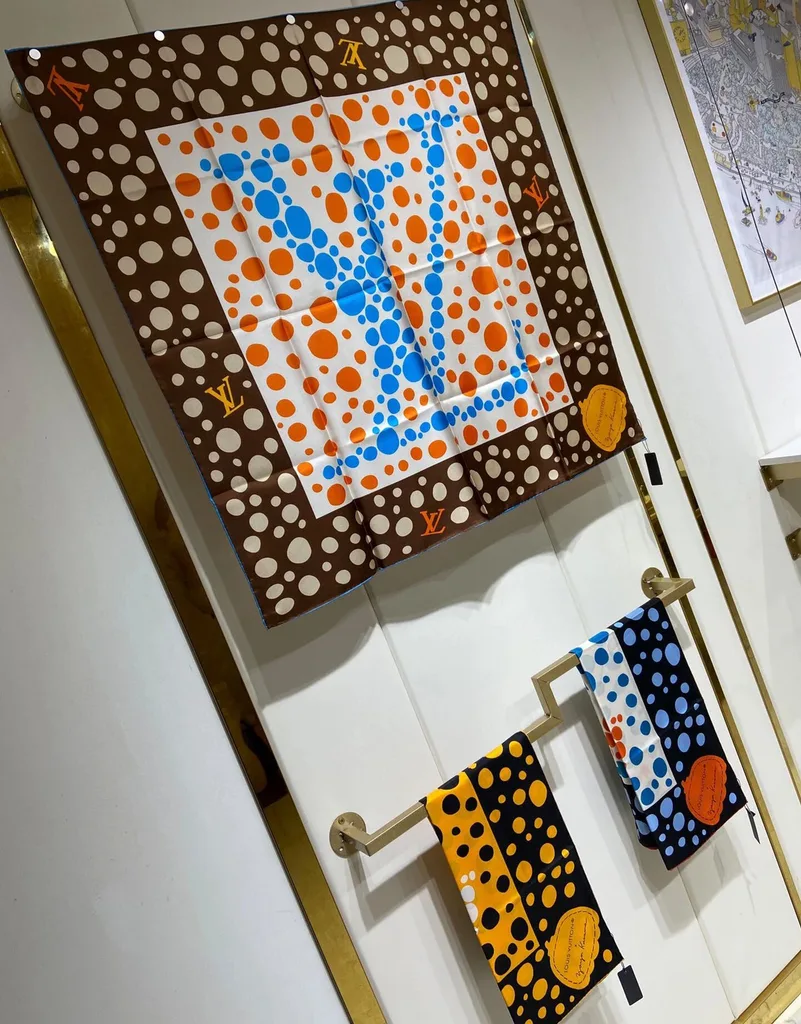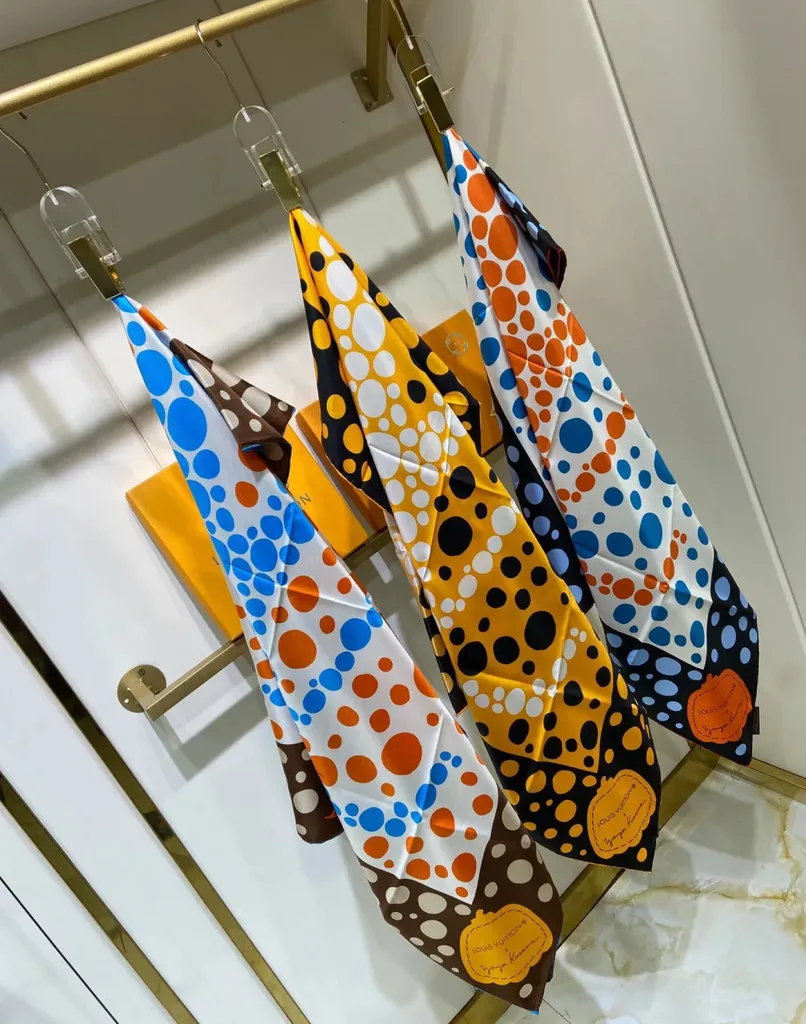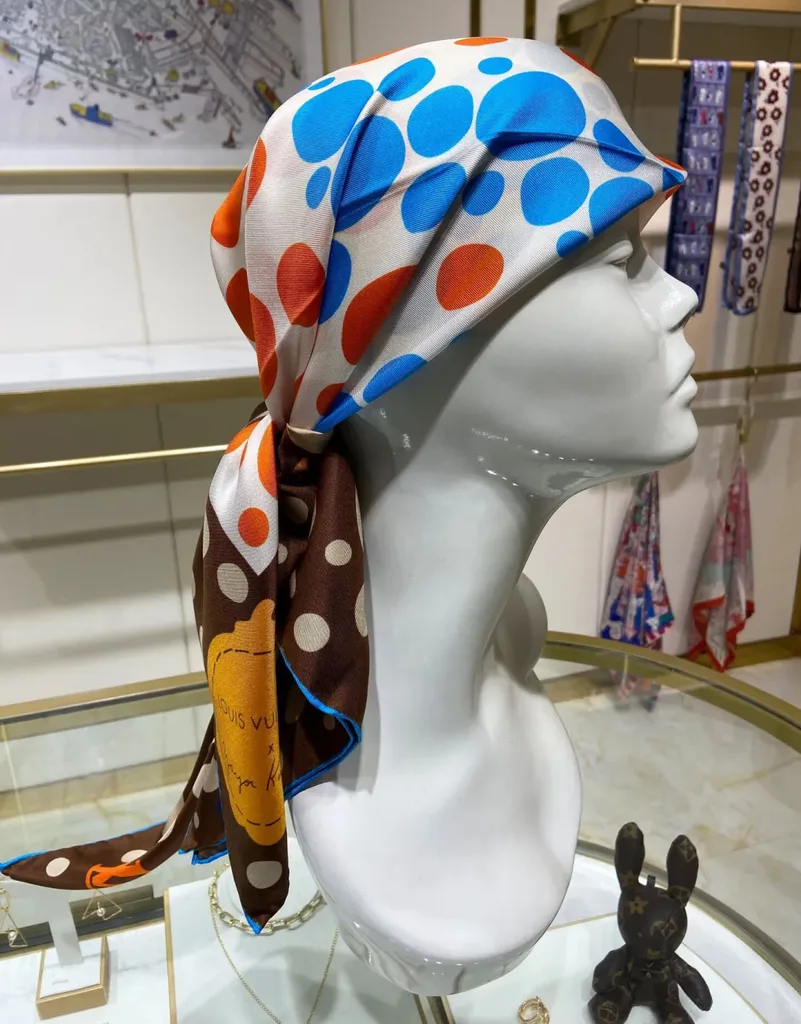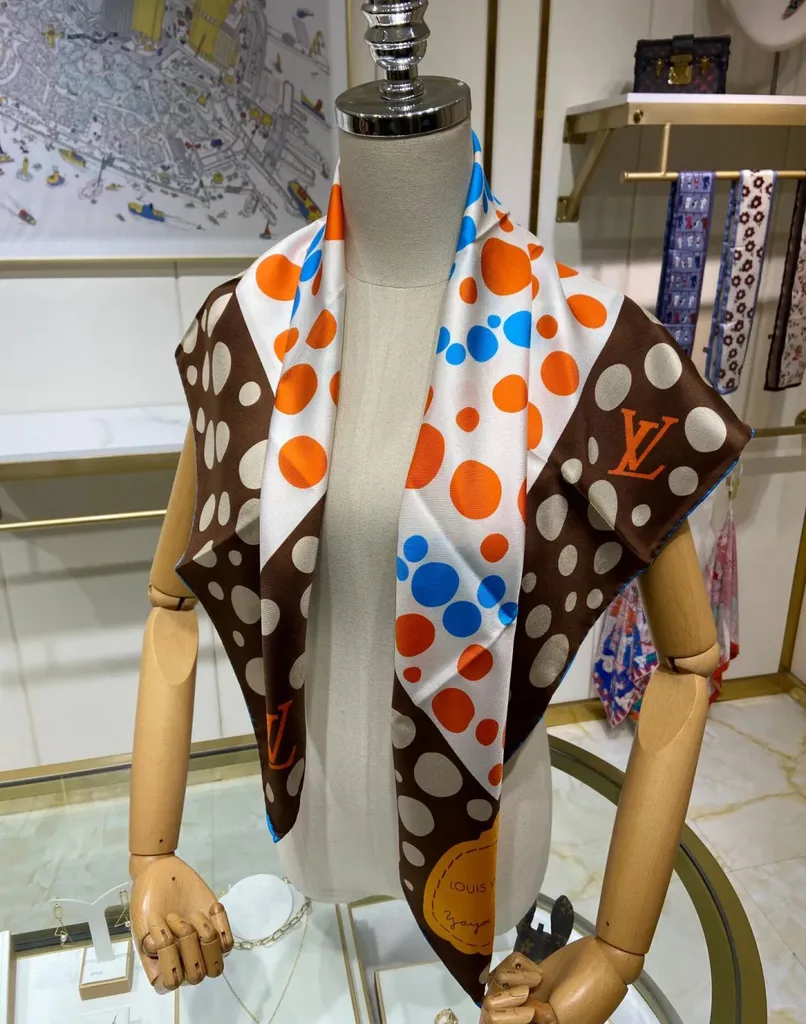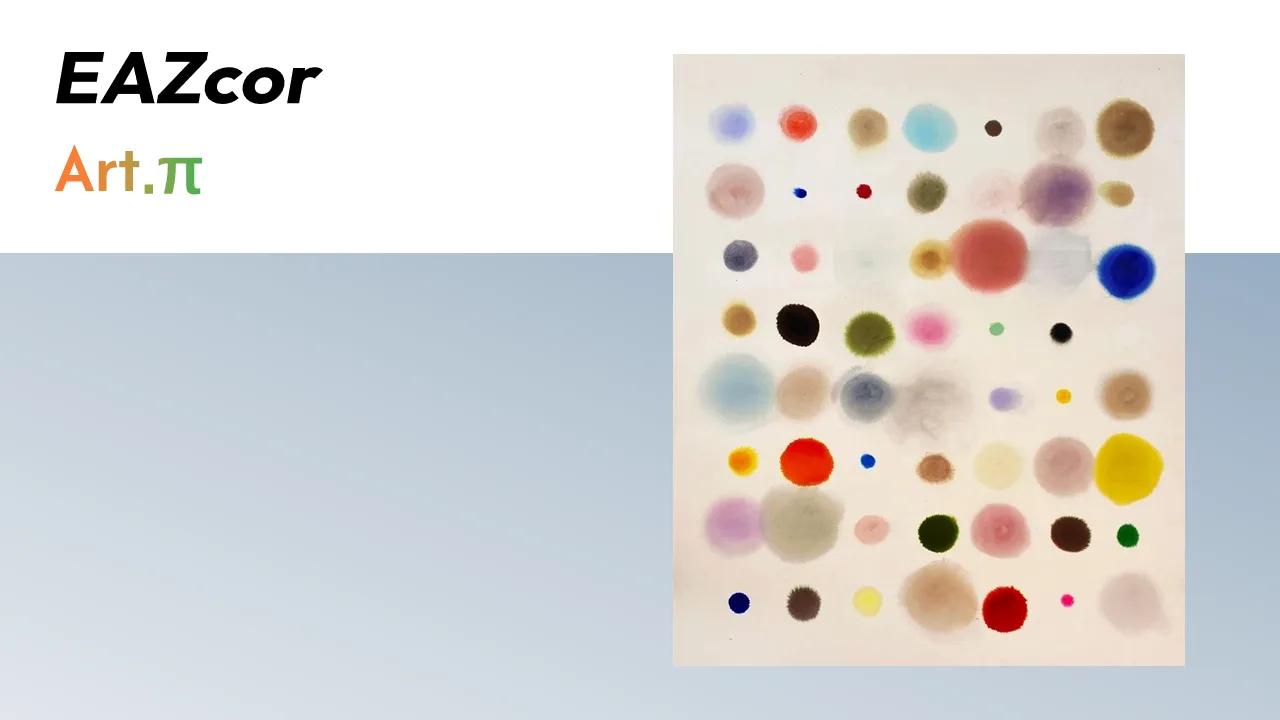
Polka dots (full name: Polka Dots) have always held a firm place in fashion, home decor, and graphic design, thanks to their repetitive arrangement of circles and color combinations. They can convey French romance, exude retro tension, and even collide into a sweet-and-cool contemporary aesthetic.
Below is a breakdown of the core categories and practical styling tips for polka dot design:
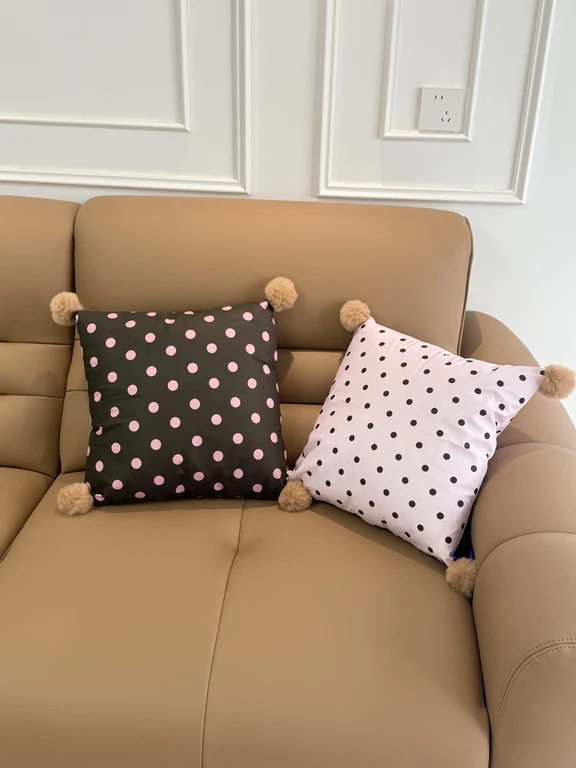
Home and Soft Furnishings: Polka Dot Spatial Aesthetics
In interior design, polka dots are no longer just background fill; they serve as compositional tools that help define spatial rhythm.
- Soft furnishings: Choose low-saturation tones (such as milky apricot, misty blue, or gray-green) for polka dot throw pillows, rugs, or curtains to add a retro ambiance without looking cluttered.
- Wall decor: Use the contrast between large and small dots to build rhythm and spatial depth — large dots act as visual anchors while small dots form texture. Combining grid layouts with free scattering creates a “controlled irregularity” that makes the space more artistically engaging.
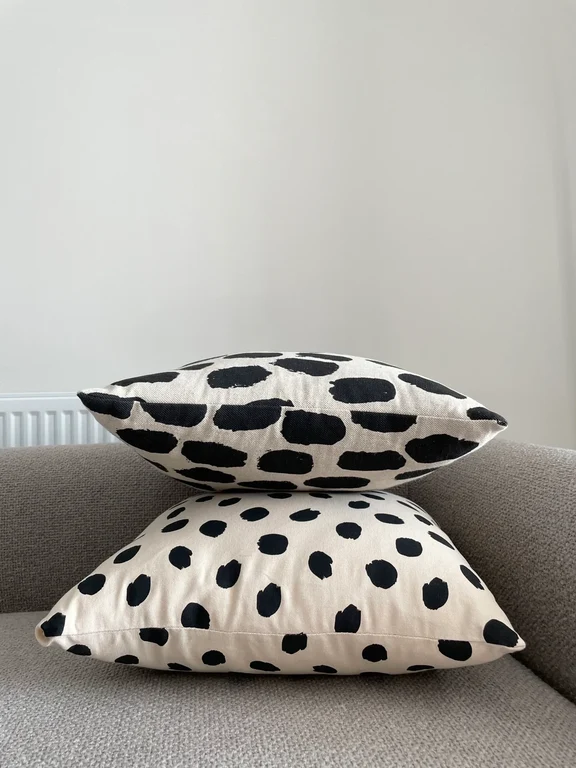
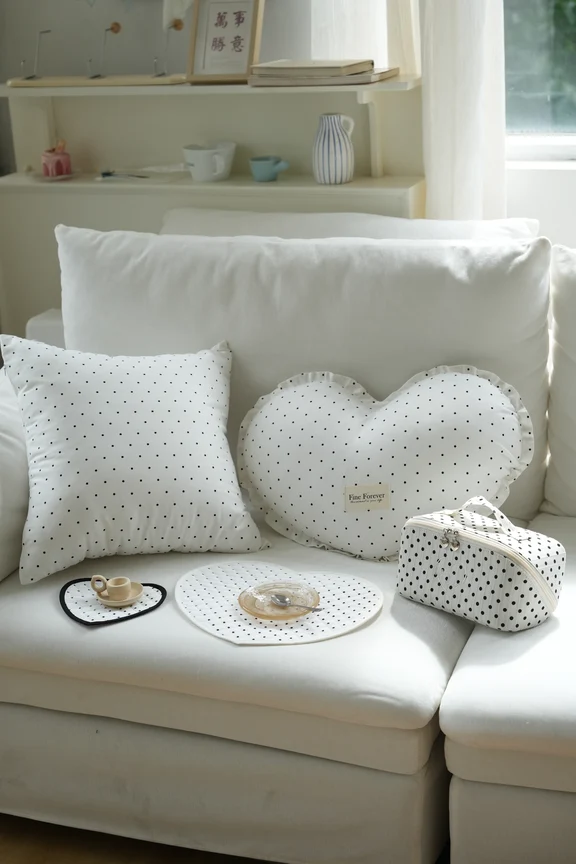
Graphic and Visual Design: The Compositional Logic of Polka Dots
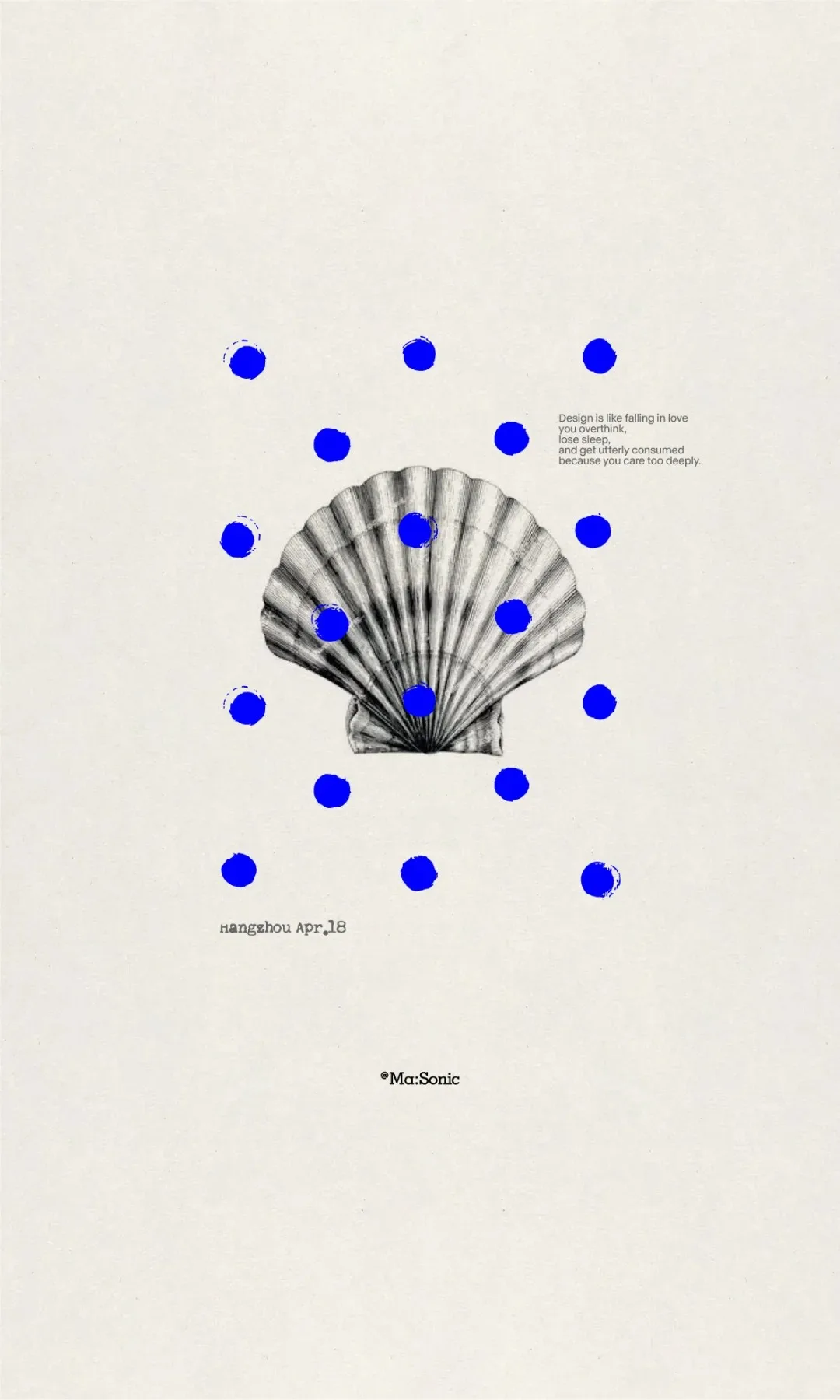
In posters, brand visuals, or layout design, polka dots take on more structural functions.
- Visual guidance: Polka dots can guide the eye, divide space, and reinforce rhythm. By balancing regular arrangement with random scattering, they provide a sense of order within complex visuals.
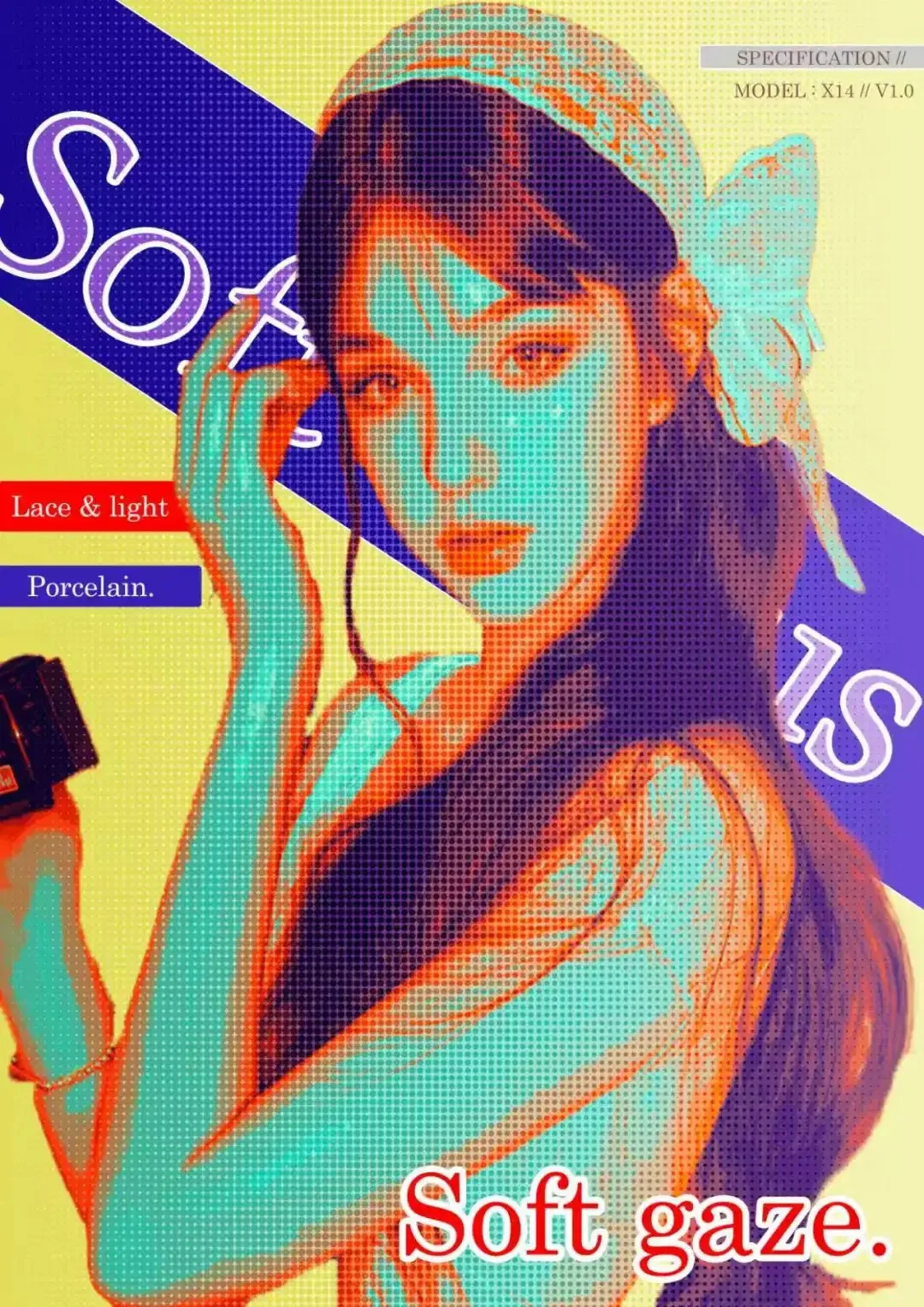
- Overlay and interaction: Layering polka dots over people or scenes creates subtle occlusion and interaction, adding playfulness and dynamism — ideal for youthful, artistic visual expressions.

Styling Pitfalls and Slimming Tips
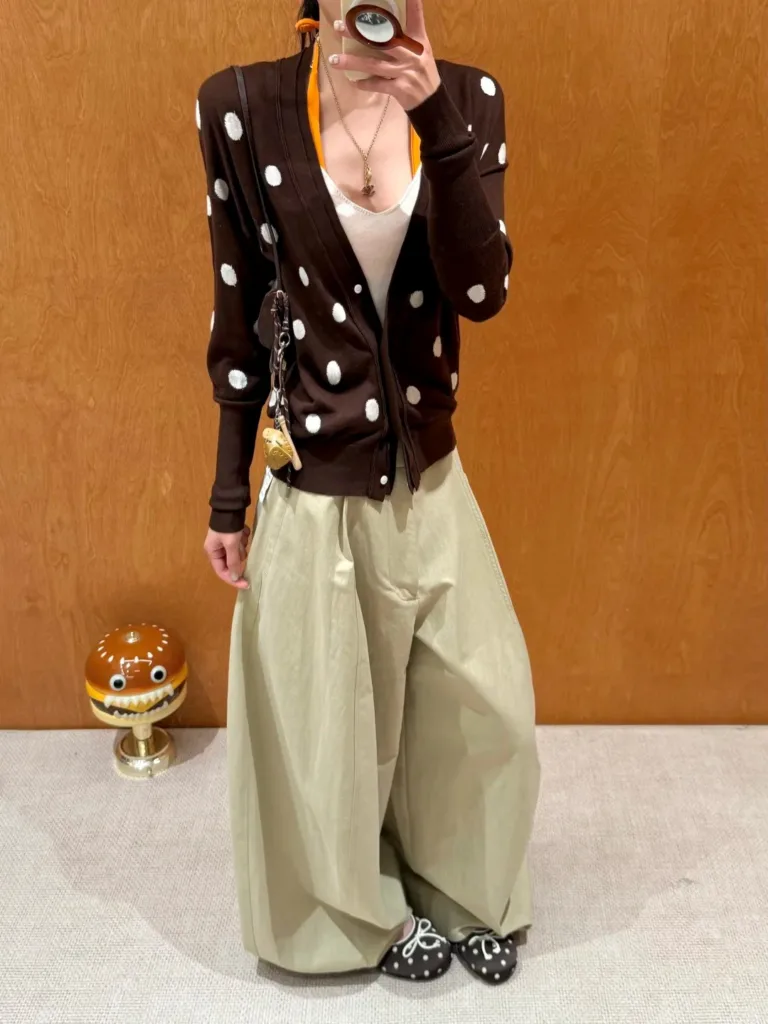
- Control density: Dots shouldn’t be too dense, or they can trigger trypophobia; large areas of polka dots also create a visually expanding, crowded effect.
- Balance skin exposure: When polka dots appear on a top, choose styles with larger necklines or more skin exposure (such as V-necks or U-necks) to balance the visual weight.
- Accessory accents: If you’re wearing just one polka dot piece, go for pearl or minimalist silver accessories to channel the “sweet-cool heiress” aesthetic; avoid layering other complex prints, and keep the “busy top, simple bottom” or “busy outer, simple inner” rule in mind.


We often perform adjustments in PS or other image processing software when working with DTF and UV printers.
The main tutorial is divided into the following three images. You may configure the parameters according to your specific needs if you want to practice.
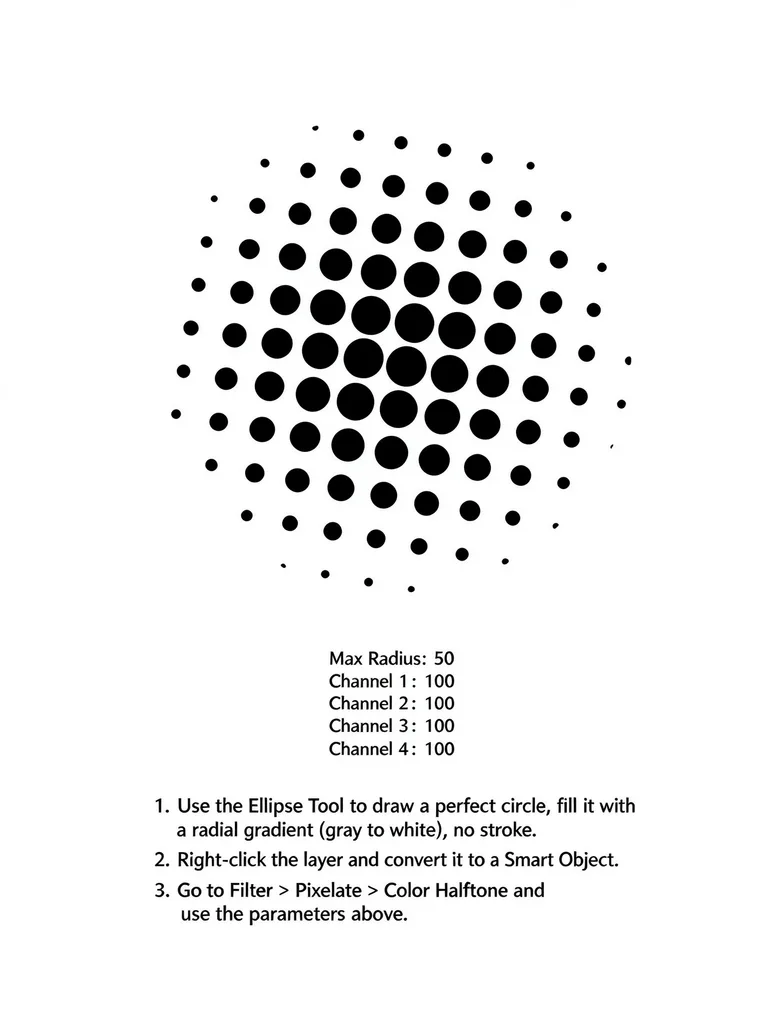
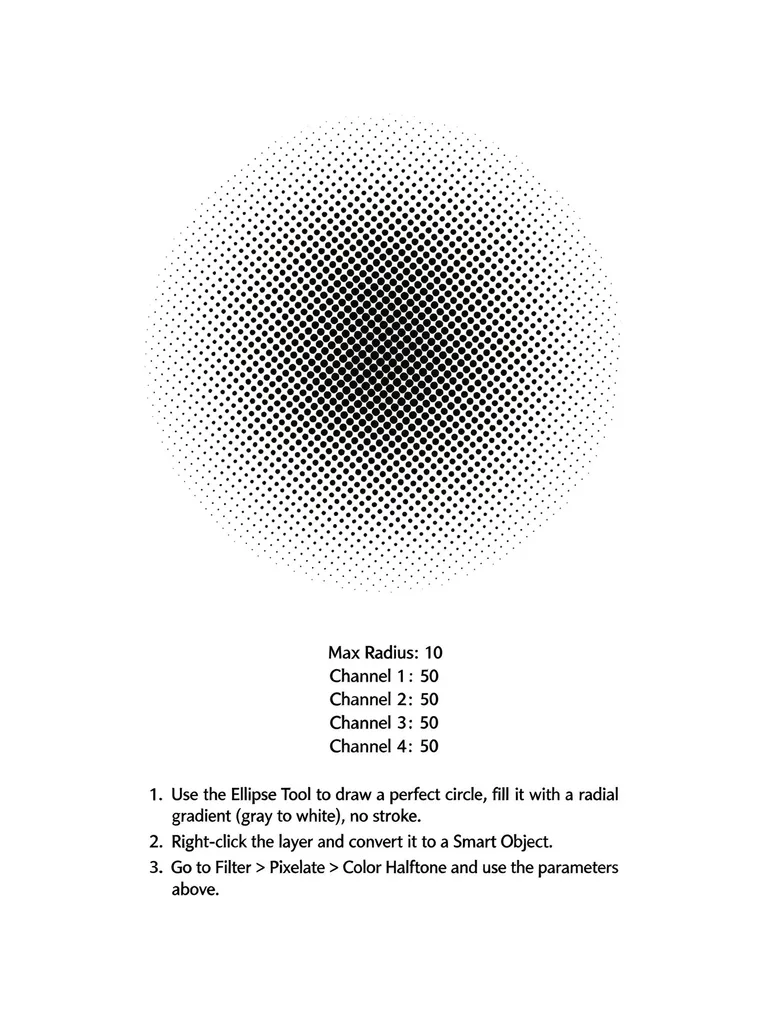
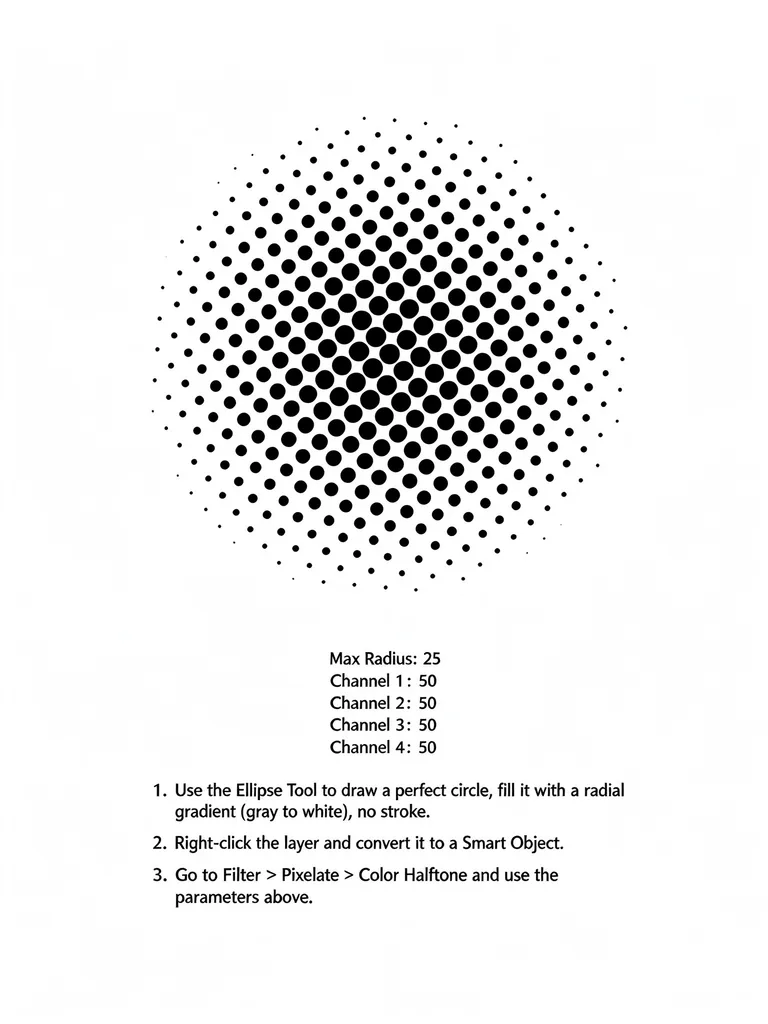
For the polka dot design, many other team members have also created excellent design proposals. The enlarged polka dots make the color transitions less abrupt and instead deliver a grand and elegant look.。


When polka dots meet the DTF foaming design
Tired of basic styles looking too plain? Stand out with dimensional texture. Flat black polka dots printed on white fabric are everywhere and fail to grab buyers’ attention. If you want your basics to command a premium price and build brand recognition, dimension is the key. Our white-base polka dots adopt puff print: from a distance, they look like classic black-and-white polka dots, yet up close, every dot is raised, plump and soft-bouncy, just like tiny black beans growing out of the fabric. Unlike flat prints that lie dull on the fabric with no depth or tactile feel, the puff technique raises the dots with natural light and shadow for a 3D effect, letting customers feel the superior quality the moment they touch it.
The biggest headache in mass production of puff polka dots is sagging dots and blurry edges. We precisely control temperature and duration to keep every dot full, separate and intact. They remain bouncy and round even after repeated washes, supporting higher pricing. A tip for brands: you don’t need to redesign your basic silhouettes. Simply upgrade the printing method to turn plain pieces into distinctive ones. It doubles the texture at a similar cost — a smart, low-cost way to differentiate your brand.


Material Accumulation|Polka Dots, Fabric Texture, Gradient, Blue-and-White Polka Dots

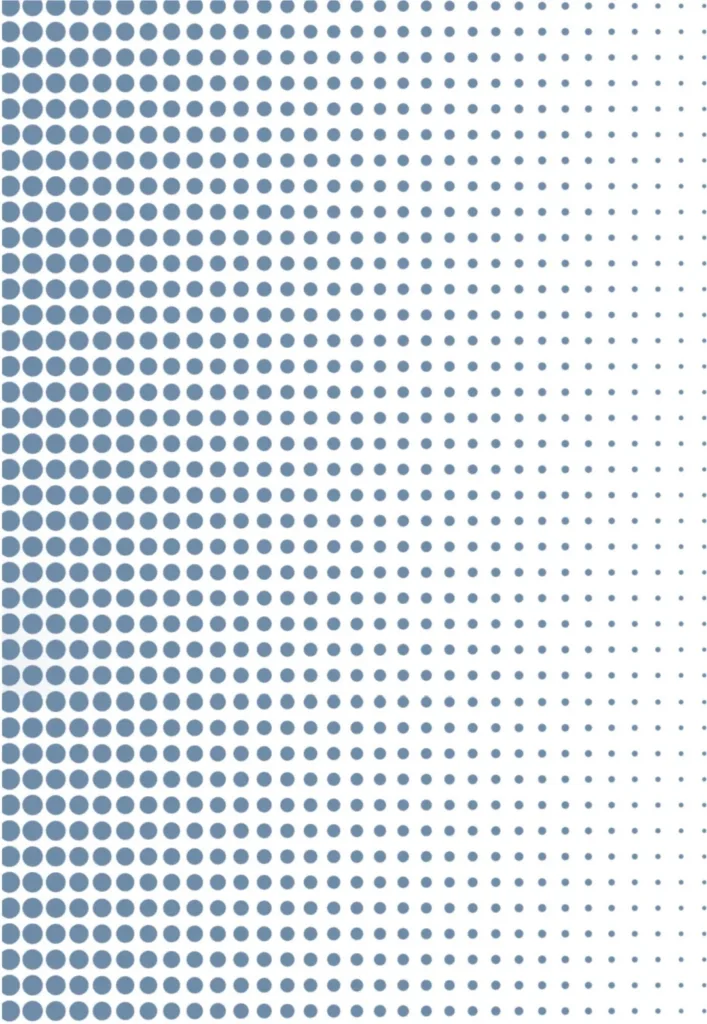

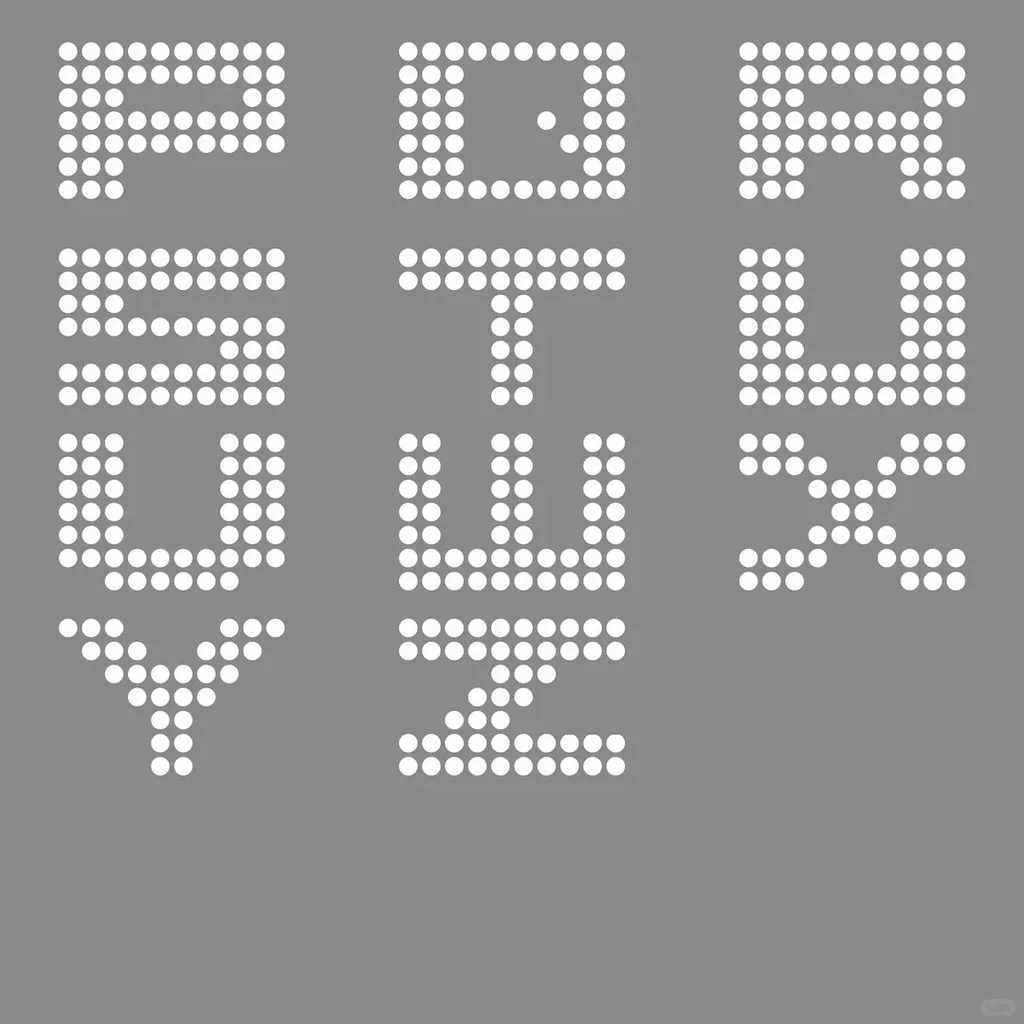
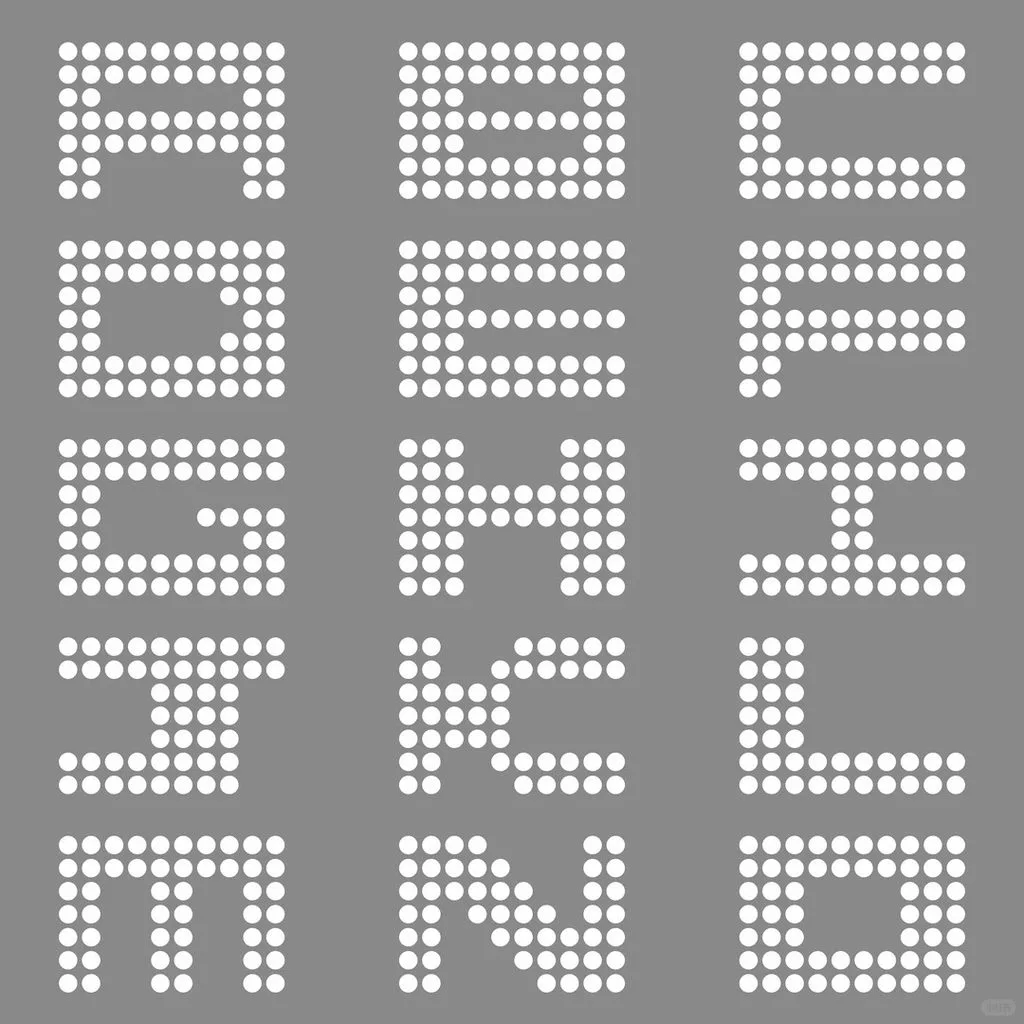
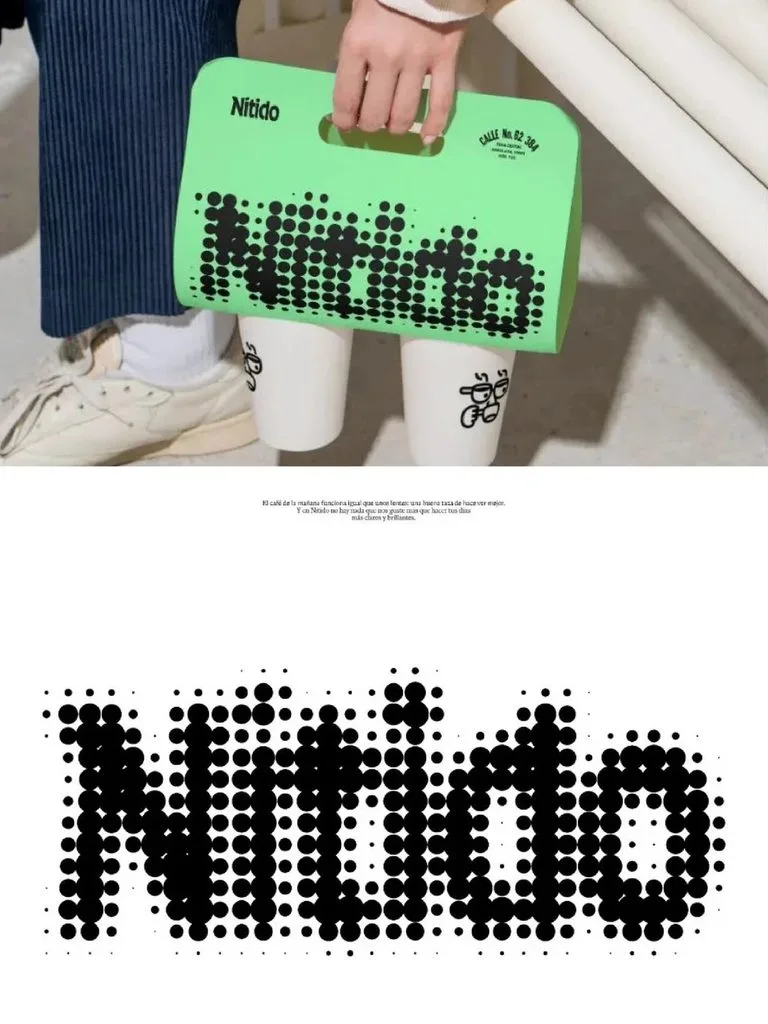
Dot matrix letter materials for personal storage
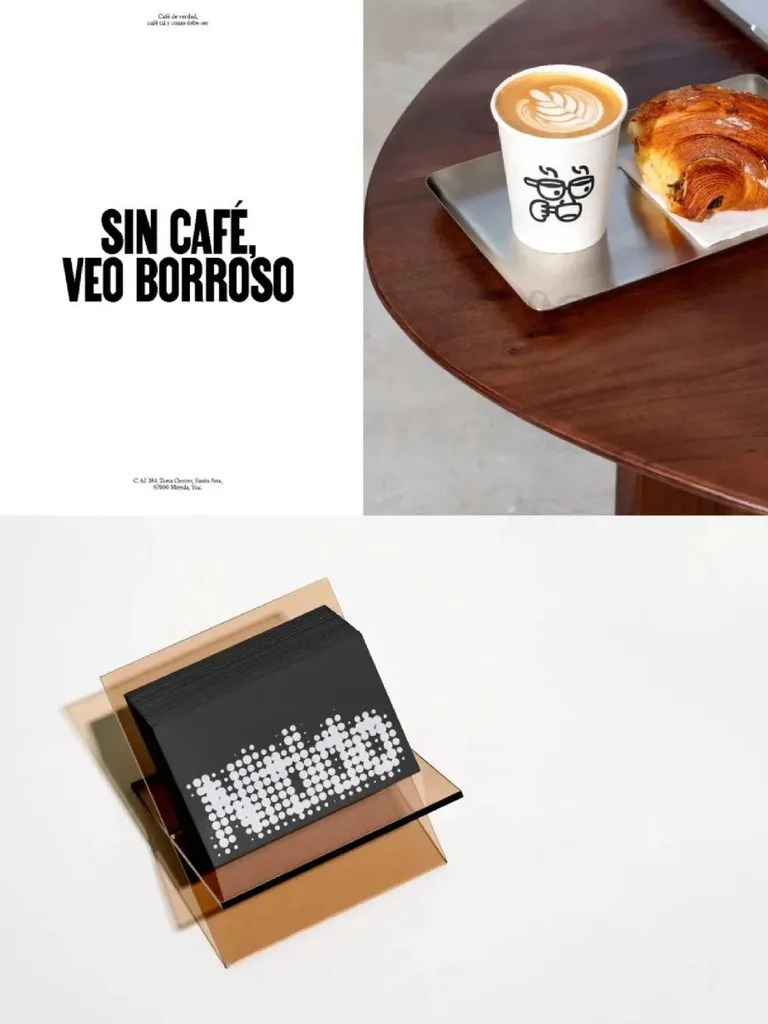
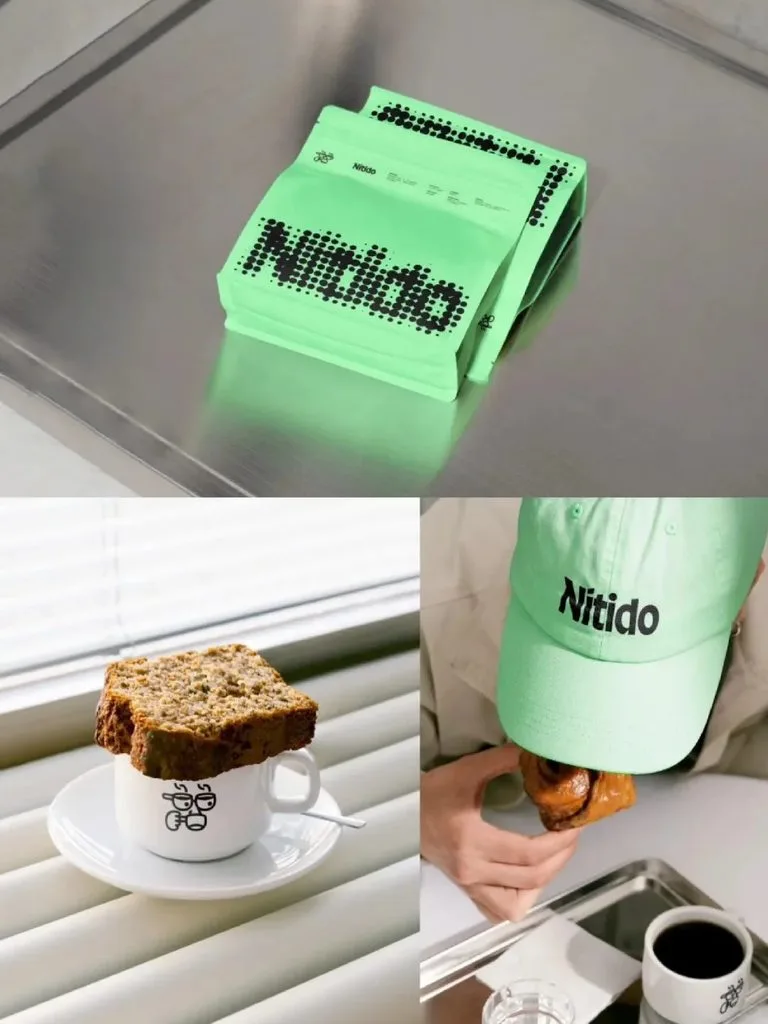
Coffee Shop Branding and Packaging Design
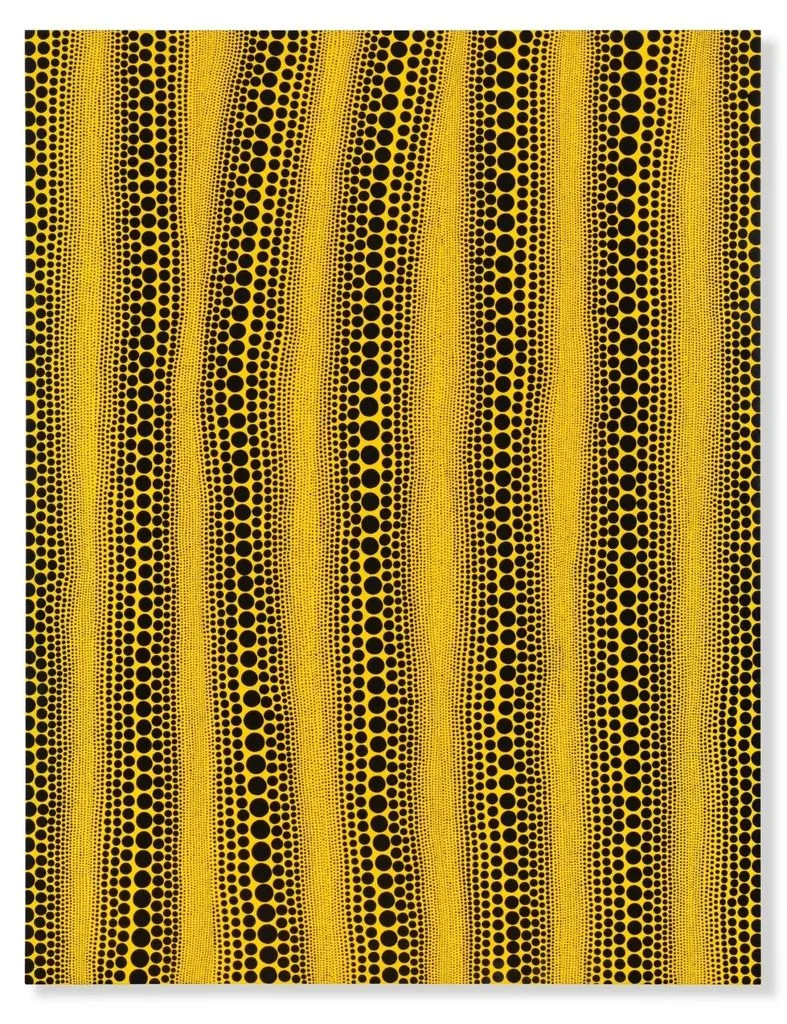
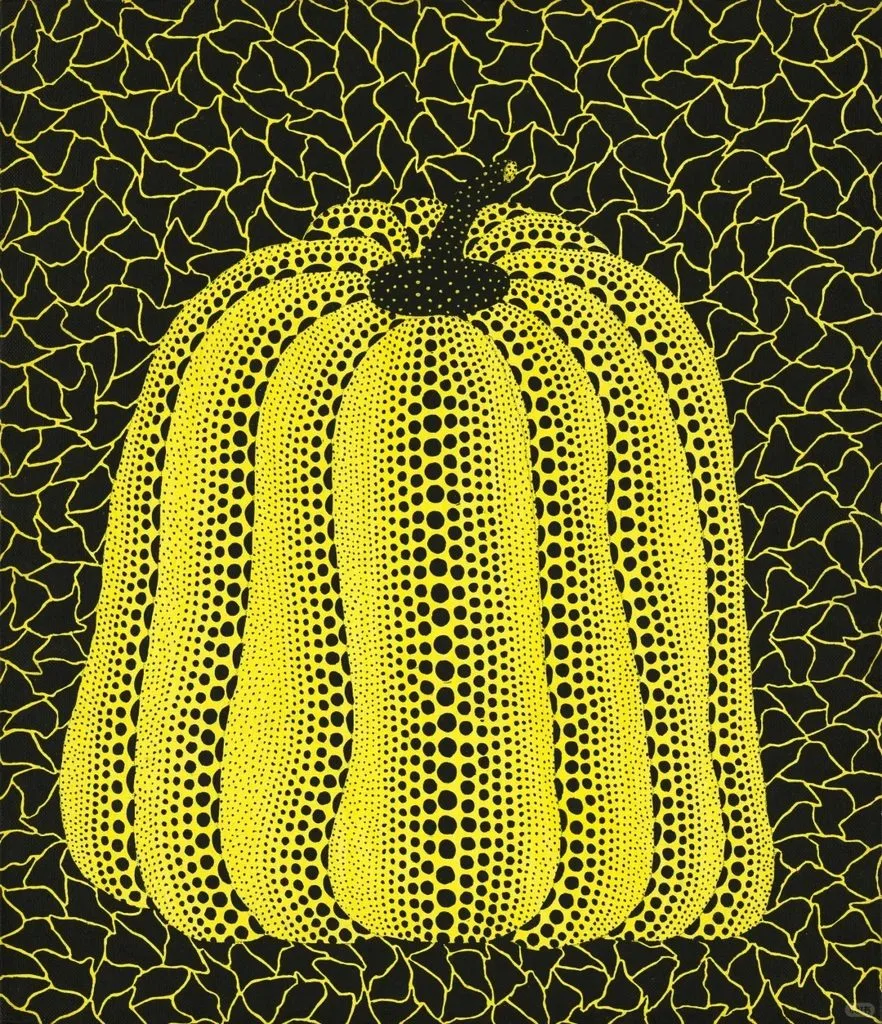
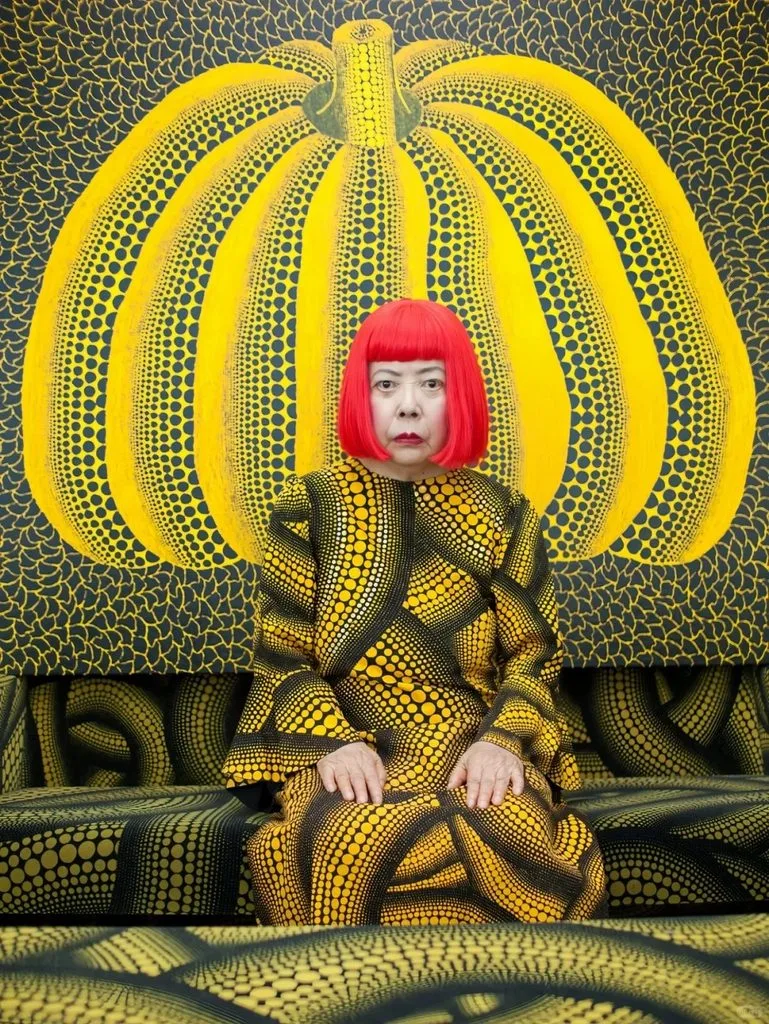
Japanese Artist Yayoi Kusama: Seeking Infinity in Dots
Portrait Fusion
It is not simply applying a polka dot filter, but making the dot patterns naturally echo the contours of the subject and the textures of the clothing.


Final Showcase
Designed by lv and keditec, with technical support from eacor. Custom polka-dot products processed by sublimation technology.