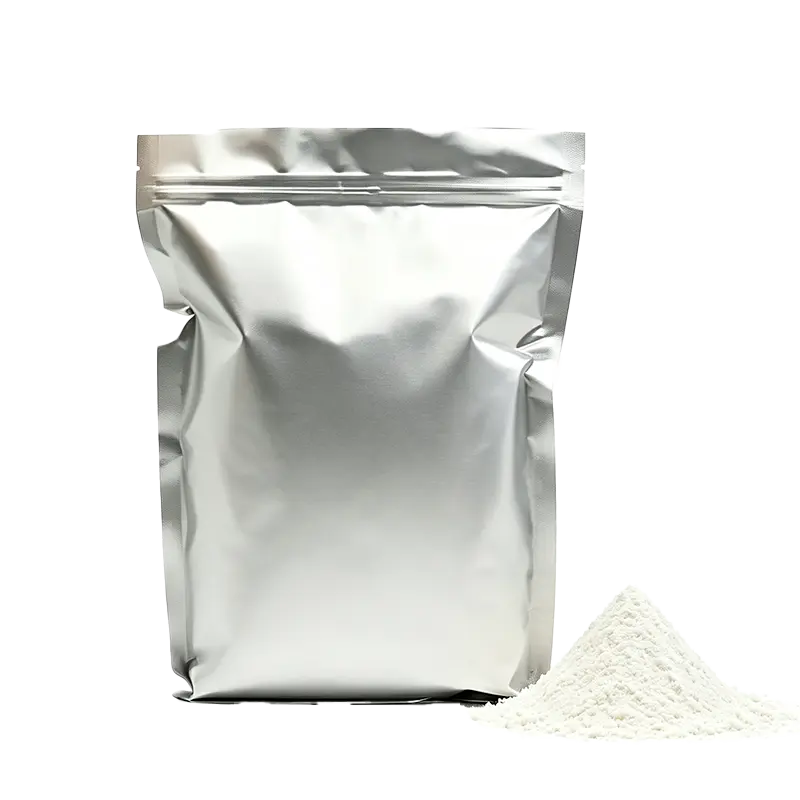
EAZcor White DTF hot melt powder
EAZcor white TPU DTF hot‑melt powder is an essential consumable for DTF textile transfer printing. Used together with DTF films and inks, it comes in multiple particle‑size grades and formulations. Compatible with various heating equipment, it delivers strong transfer adhesion and supports cold‑peel operations.
Configuration
- Base Material: TPU Polyurethane
- Appearance: White powder
- Heat‑press Temperature: 130‑160 °C
- Heat‑press Time: 8‑15 s; Secondary pressing: 10 s
- Oven Curing: 160 °C, approx. 2 min until powder fully melts and levels out
- Secondary Press Temperature: 110‑130 °C
- Minimum Processing Temperature: 105‑115 °C
- Density: 1.21±0.02 g/cm³
- Wash Resistance Test: 60 °C, 72 hours
- Storage: 20‑28 °C, 40‑60% RH, store sealed in original packaging
- Packaging: 1 kg / 5 kg / 20 kg / 25 kg, bags or drums
- Overall Particle‑size Range: 0‑80 μm, 80‑200 μm
Key features
- Superior adhesion bonds to ink layers instead of film surfaces, offering excellent wash resistance
- Five purpose‑built formulations for targeted fabric applications
- Curing works with heat presses, ovens and hot‑air guns
- Cold‑peel compatible; the easy‑peel grade enables instant peeling to boost production efficiency
- Secondary pressing with parchment paper improves hand feel of finished prints
- Stable storage performance; resists caking when kept sealed
Grade Selection Table
| Product Grade | Particle Size | Features & Suitable Fabrics |
|---|---|---|
| Soft DTF Powder | 80‑170 μm | Soft, smooth hand feel; for smooth fabrics: T‑shirts, polo shirts, sweaters |
| Coarse DTF Powder | 120‑250 μm | Noticeable textured finish; for heavy fabrics: denim, linen, non‑woven materials |
| Anti‑Stretch DTF Powder | Fine grade | High elasticity, crack‑resistant under tension; for all stretch‑knit fabrics |
| Anti‑Sublimation DTF Powder | Fine grade | Blocks dye migration; for all dark‑coloured textiles |
| Easy‑Peel DTF Powder | — | Works with standard cold‑peel DTF films; instant peel without cooling‑down waiting |
Why EAZcor Hot melt powder?
- DTF powder is specially used for DTF printing. Our powder has excellent adhesion, and excellent washability, and can accurately adhere to ink rather than film.
- This powder can be cured at 150℃ or 300F and pressed for 10-20 seconds. Press the completed transfer again for 10 seconds, and put a piece of parchment paper on it to get a better feel.
- This powder can be cured in an oven using a hot air gun or under a hot press.
- The process to using the powder:
- Place the transfer paper on a hot-pressed pillow or hot-pressed foam.
- Lower the top heating plate until it is about 1 cm away from the transfer.
- Solidify the powder at 160℃ for about 2 minutes or until melted. At first, it will become sparkling. Then it will melt and form a flat surface.
EAZcor DTF hot melt powder
Testing Condition
Transfer Temperature: 130-160℃
Transfer Time: 8-15 seconds
About Storage
In order to protect unused dtf powder, it is recommended to store it in its original packaging, at 68°F–82°F (20°C–28°C) and 40–60% RH.
About Printing
DTF powders are specially designed to use with DTF printing process. Working with DTF film and DTF ink to get excellent transfer printing results.
FAQ — EAZcor White DTF Hot‑Melt Powder
Q1: Why does the powder not melt completely after heating?
A: Check your heating temperature and time. Insufficient temperature or short heating time will cause incomplete melting. Recommended oven setting: 160 °C for around 2 minutes. Make sure heat‑press platen makes even contact across the whole print area.
Q2: Why does the print peel off easily from fabric after transfer?
A: 1) The powder may not have fully melted during curing. 2) Heat‑press pressure / time is not enough. 3) Mismatch between powder grade and fabric type. Choose Anti‑stretch powder for highly elastic fabrics.
Q3: Can I use this powder with hot‑peel DTF film?
A: This powder is optimised for cold‑peel DTF films. For hot‑peel films, test small‑batch samples first. Our Easy‑Peel grade delivers instant‑tear performance only when paired with cold‑peel films.
Q4: What causes powder caking during storage?
A: High humidity is the main cause. Store powder sealed inside original packaging at 20‑28 °C, 40‑60% RH. Do not leave the bag or drum open for long periods. Lumpy caked powder cannot be reused.
Q5: Why do dark fabrics still show colour bleed after transfer?
A: Please select our Anti‑Sublimation DTF Powder. Standard grades cannot block dye migration from dark textiles.
Q6: Is secondary pressing necessary?
A: Not mandatory, but highly recommended. Place parchment paper over the print and re‑press for 10 seconds, which greatly softens hand‑feel and improves wash durability.
Q7: Which powder grade should I pick for my material?
A: ‑ Smooth fabrics (T‑shirt, polo, sweater): Soft DTF Powder (80‑170 μm) ‑ Rough heavy fabrics (denim, linen, non‑woven): Coarse DTF Powder (120‑250 μm) ‑ Stretch knit fabrics: Anti‑Stretch DTF Powder ‑ Dark colour fabrics prone to dye migration: Anti‑Sublimation DTF Powder ‑ Need fast production without waiting for cooling: Easy‑Peel DTF Powder
Q8: What wash performance can I expect?
A: Our lab test reaches 60 °C for 72‑hour accelerated washing. Real‑world durability also depends on fabric material and heat‑press parameters. We always suggest customer pre‑sampling before mass‑production.
Q9: Can I use a hot‑air gun instead of an oven or heat press?
A: Yes. Keep even moving airflow to avoid local over‑burning. Consistent temperature control is harder with hand‑held guns, so sample testing is essential.
Q10: What packaging sizes are available?
A: 1 kg, 5 kg, 20 kg, 25 kg. Both bag and drum packaging options are offered.
Contact us